
 English
 中文简体
中文简体 Español
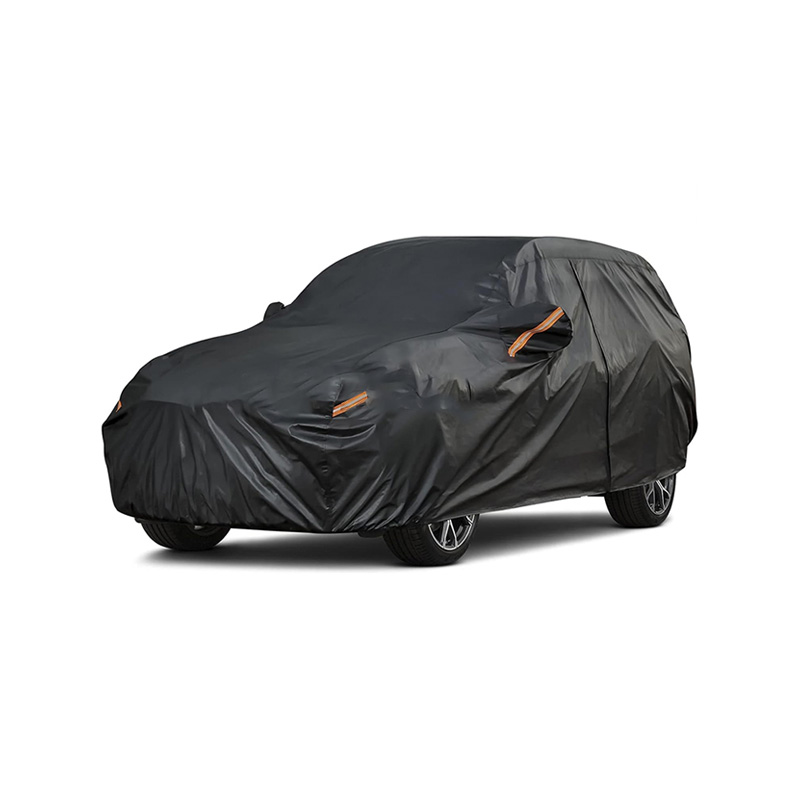
A car body cover waterproof claim printed on packaging tells a buyer almost nothing about where water actually gets in during a real rainstorm, and the answer, more often than the main fabric panel itself, comes down to how the seams were constructed when panels were joined together.
Fabric Coating Keeps Water Out Until It Reaches a Seam
Polyester taffeta and Oxford cloth fabrics used across this product category can be treated with a waterproof coating that repels rain effectively across the flat panel surface, but that coating does nothing to seal the stitch holes created where two fabric panels are sewn together. A car body cover waterproof design that relies on coated fabric alone, without addressing seam construction separately, still lets water wick through needle holes during sustained rain, even though the fabric itself passes a simple water-drop test with no problem.
Ultrasonic Seaming Avoids the Needle-Hole Problem Entirely
Some manufacturers have moved to ultrasonic seaming, which fuses fabric panels together using heat and pressure rather than stitching them with a needle and thread, eliminating the perforations that traditional sewing creates along every seam line. A car body cover waterproof design built with non-woven car cover layers joined ultrasonically holds up notably better in extended rain exposure than a comparably coated cover built with conventional stitched seams, since there are no needle holes for water to travel through at all.
|
Seam Type |
Traditional Stitched Seam |
Ultrasonic Seamless Construction |
|
Water entry point |
Needle holes along stitch line |
None, panels are fused |
|
Manufacturing complexity |
Lower, standard sewing equipment |
Higher, requires ultrasonic welding equipment |
|
Typical performance in sustained rain |
Adequate for short exposure |
Holds up through extended exposure |
|
Suited product tier |
Standard, budget-tier covers |
Premium, all-weather covers |
Silver Coating Serves a Dual Purpose Beyond Water Resistance
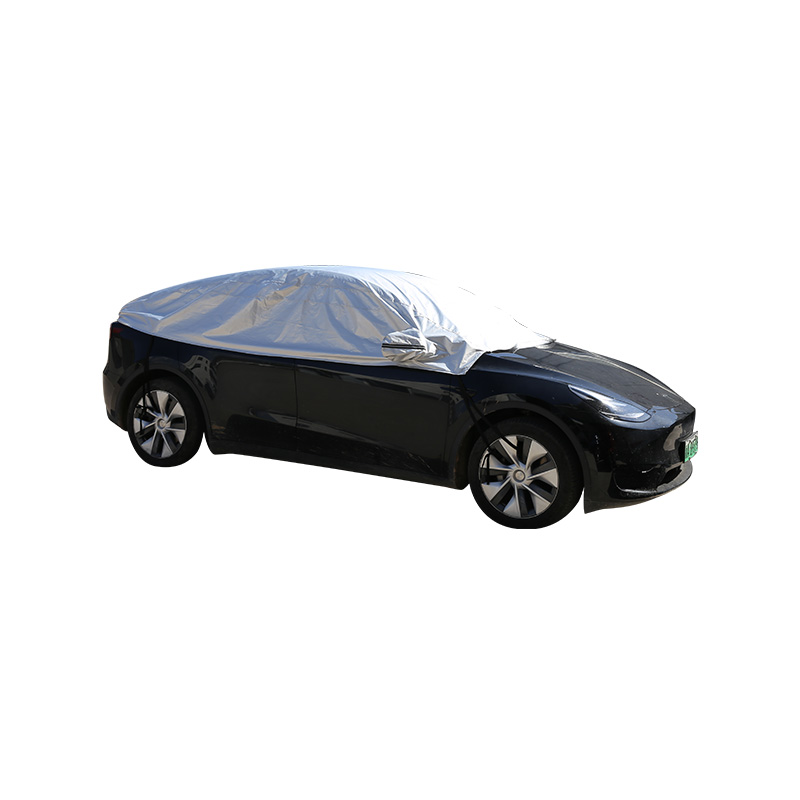
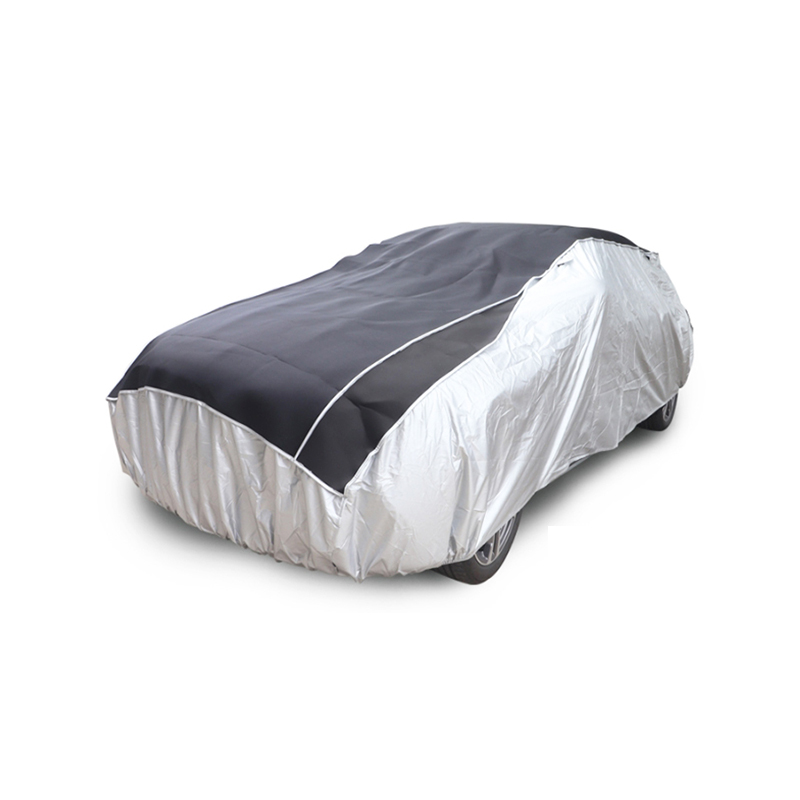
A silver-coated polyester taffeta layer reflects UV radiation away from the vehicle's paint finish while also adding a measure of water resistance to the fabric surface, which is why this construction shows up frequently in all-season cover lines rather than covers marketed purely for rain protection. Buyers sourcing for climates with both intense sun exposure and seasonal rain should look specifically for this dual-function coating rather than assuming a cover optimized for one condition automatically performs well in the other.
Multi-Layer Non-Woven Construction Trades Weight for Durability
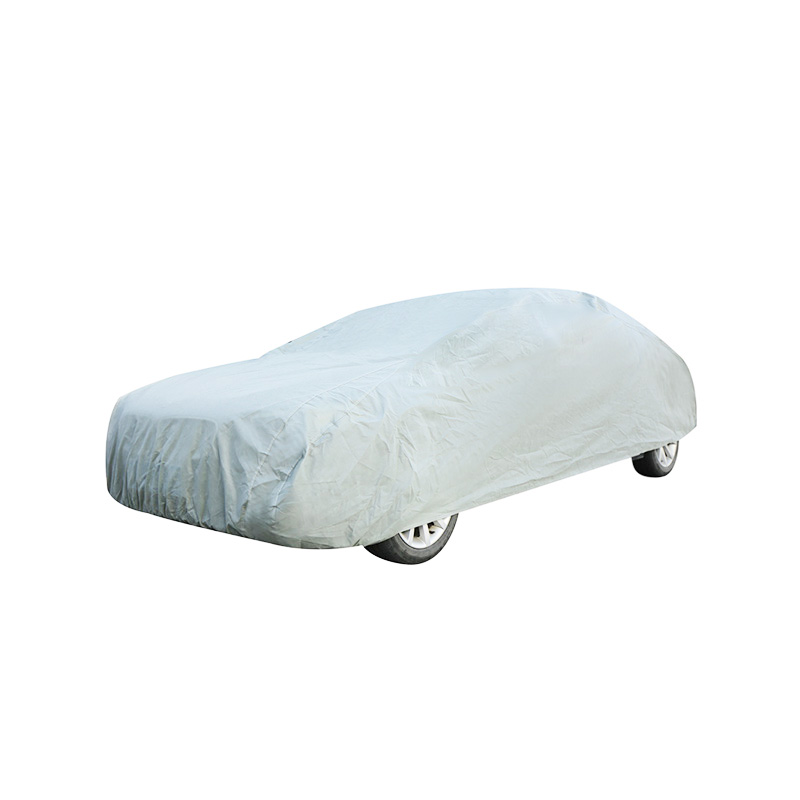
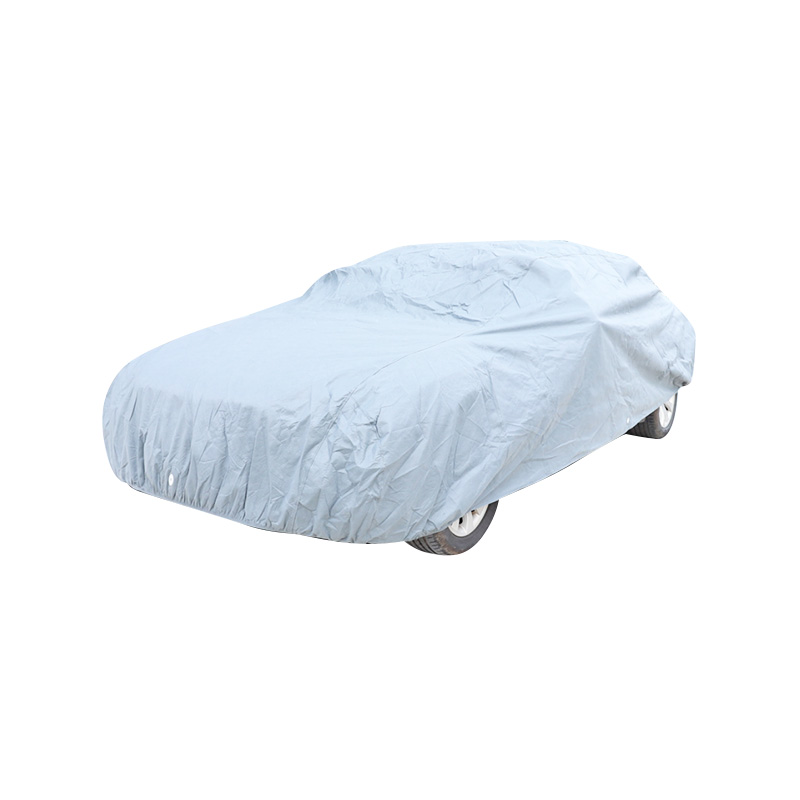
A three- or four-layer non-woven cover construction adds bulk and weight compared to a single-layer fabric, but the additional layers give the cover more resistance to punctures and abrasion from tree branches, debris, or rough handling during installation and removal. Fleet operators storing vehicles outdoors in exposed lots, where covers get handled daily by multiple staff members, tend to see better cost-per-use outcomes from a heavier multi-layer car body cover waterproof construction despite the higher unit price, since single-layer covers in high-handling environments wear through and need replacing more frequently.
Seam-Sealing Should Be Verified, Not Assumed From the Fabric Spec
A seam-sealed automotive fabric claim on a product listing should be backed by a description of the actual sealing method used, whether that's ultrasonic welding, taped seam construction, or a waterproof adhesive applied along the stitch line. Buyers placing bulk orders should ask suppliers to specify which method applies to the exact product being quoted, since seam-sealing terminology sometimes gets applied loosely across a supplier's full catalog even when only certain SKUs actually use the more expensive sealing process.
Custom Sizing Doesn't Automatically Include Custom Seam Placement
A custom car cover manufacturer producing a cover cut to match a specific vehicle model's dimensions doesn't necessarily route seams away from areas prone to pooling water, such as the roof centerline or hood seams. Buyers requesting custom-fit car body cover waterproof products for a specific model lineup should ask whether seam placement has been engineered to route water runoff away from stitch lines, since a well-fitted cover with poorly placed seams can still develop leaks in exactly the areas where water naturally collects.
Hydrostatic Pressure Testing Gives Buyers a Number to Actually Compare
A general "waterproof" label doesn't tell a buyer how much sustained water pressure a fabric can resist before it starts to let moisture through, whereas hydrostatic pressure test results — measured in millimeters of water column — give a concrete figure that can be compared directly across suppliers. A car body cover waterproof claim backed by a specific hydrostatic rating is far more useful during supplier comparison than a fabric simply described as "waterproof" or "water-resistant" without any supporting test data attached to the claim, since those two descriptions can refer to fabrics with meaningfully different real-world performance under sustained rain.
 View More >>
 View More >>
 View More >>
 View More >>
 View More >>
 View More >>



