
 English
 中文简体
中文简体 Español
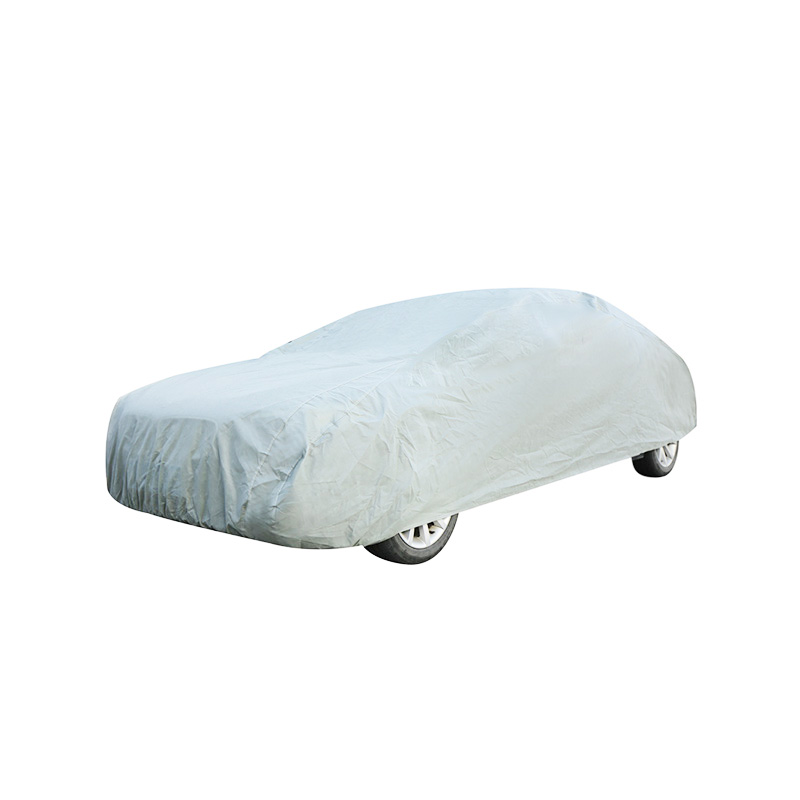
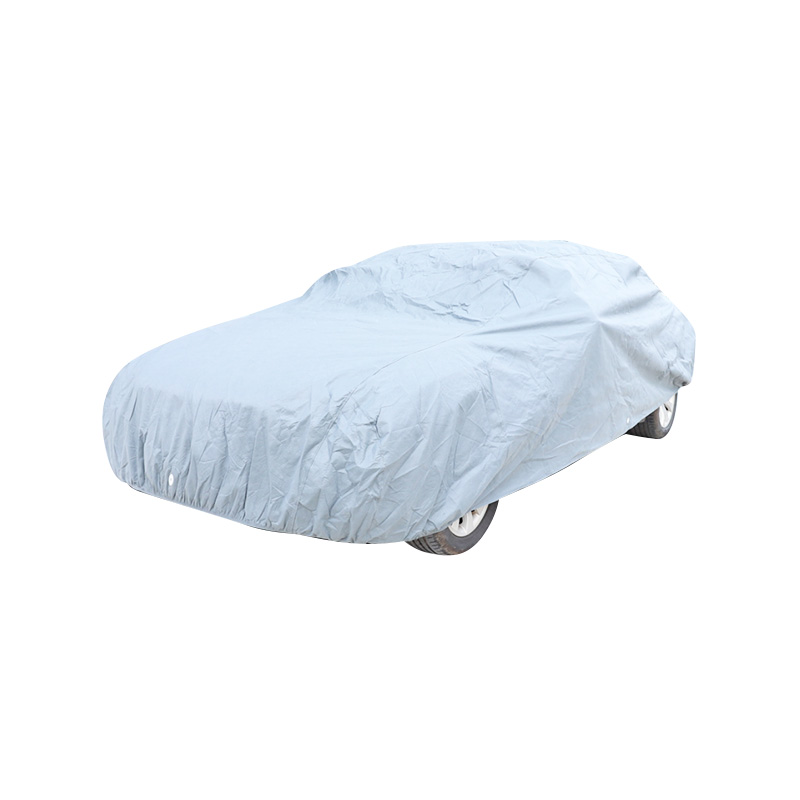
The global market for vehicle protection is undergoing a significant and sophisticated transformation, with the car cover standing at the center of this evolution. Once considered a simple, generic accessory for occasional use, the modern car cover has been re-engineered into a highly specialized product category, integral to long-term automotive preservation strategies. This shift is driven by a confluence of factors: rising vehicle ownership costs, increased consumer awareness of preventative maintenance, harsher environmental conditions in many regions, and the growing economic and sentimental value of both modern and classic cars. Consequently, the car cover industry is experiencing sustained growth, moving beyond passive shielding to offer active, tailored protection through advanced materials, custom engineering, and emerging smart technologies.
The fundamental value proposition of a high-quality car cover lies in its multi-faceted defense system. It acts as a primary barrier against a wide array of environmental aggressors. Solar radiation, particularly ultraviolet rays, is a pilot cause of paint oxidation, interior fading, and the degradation of rubber seals and trim. A premium car cover with a high Ultraviolet Protection Factor (UPF) rating significantly slows this process. Furthermore, it protects against acid rain, industrial pollutants, tree sap, and bird droppings—substances that can etch into a vehicle's clear coat if not promptly removed. For outdoor storage, a car cover also defends against minor abrasions from wind-blown debris and helps prevent the buildup of dust and pollen, which can scratch surfaces during cleaning. Crucially, modern designs emphasize breathability; advanced fabric technologies allow moisture vapor from the vehicle's surface to escape while blocking external water, thereby preventing the condensation, mildew, and corrosion that plagued older, non-breathable covers.
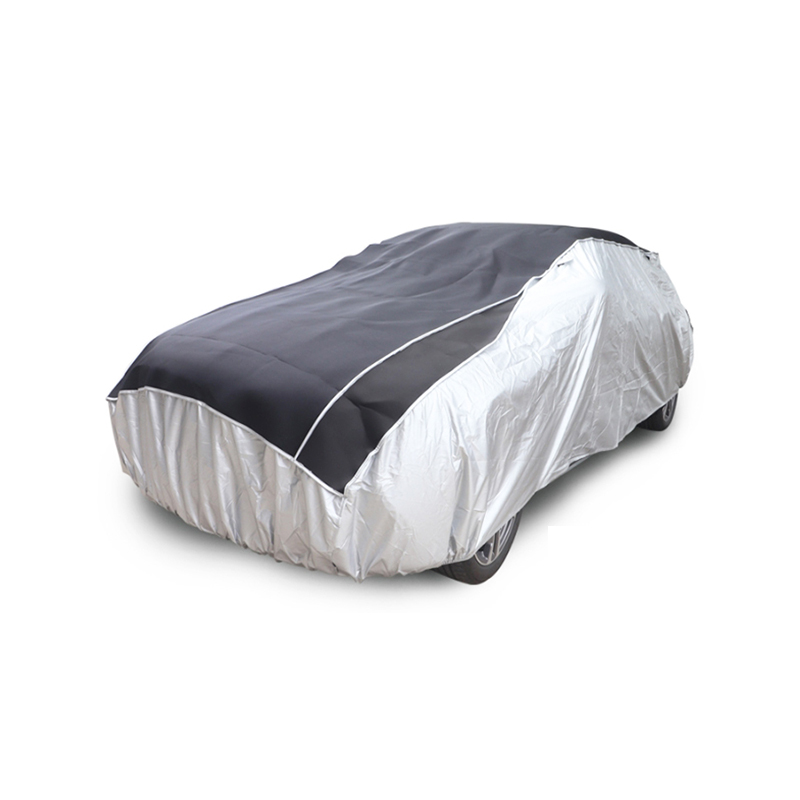
Material science is the primary engine of innovation within the car cover sector. Today's pilot products are constructed from complex, multi-layer fabrics, each layer serving a distinct purpose. The outer shell is typically made from a durable, tear-resistant fabric like polyester or polypropylene, treated with long-lasting water-repellent (DWR) coatings and UV inhibitors. Beneath this, a breathable barrier membrane controls moisture transmission. The innermost layer, in contact with the paint, is invariably a soft, non-abrasive material such as flannel, cotton, or microfiber, designed to be gentle on finishes. Beyond these standards, the market is segmenting into specialized materials for specific climates: lightweight, highly reflective fabrics for intense sun; heavier, water-shedding layers for rainy regions; and thermally insulated options for areas with bad temperature fluctuations. A prominent and growing trend is the use of sustainable materials, including covers constructed from recycled plastics and natural fibers with biodegradable treatments, aligning with broader environmental, social, and governance (ESG) goals in manufacturing.
The humble car cover has been fundamentally reinvented. It is now a technologically advanced, essential tool for responsible vehicle ownership. Driven by innovation in fabrics, precision in fit, and a growing appreciation for asset preservation, the car cover market is poised for continued expansion and sophistication. As vehicles become more complex and valuable, the role of the car cover in safeguarding that investment—from a daily driver to a collectible masterpiece—will only become more deeply entrenched in global automotive culture.
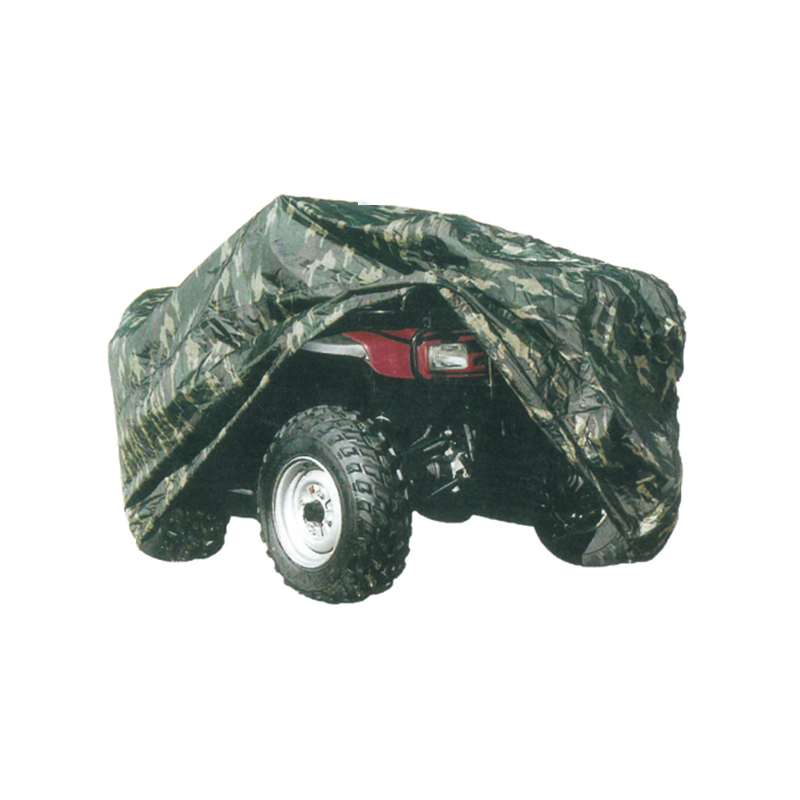
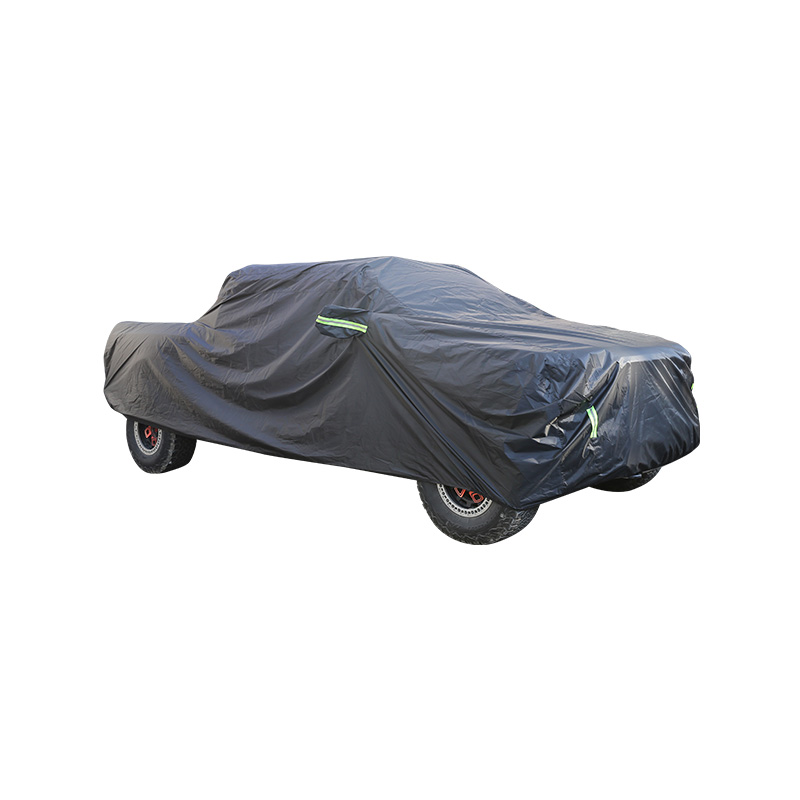 View More >>
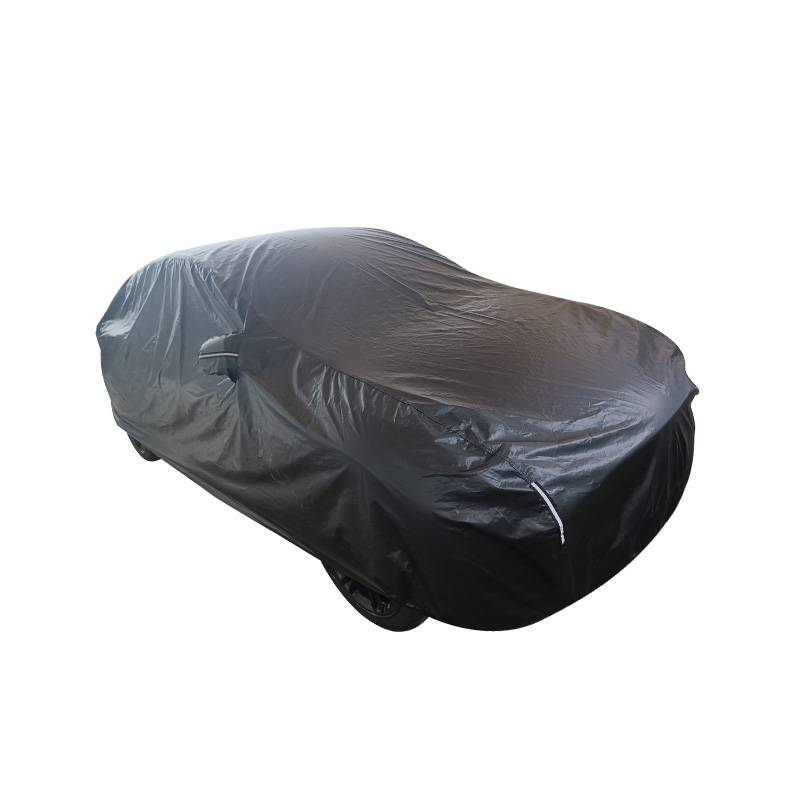 View More >>
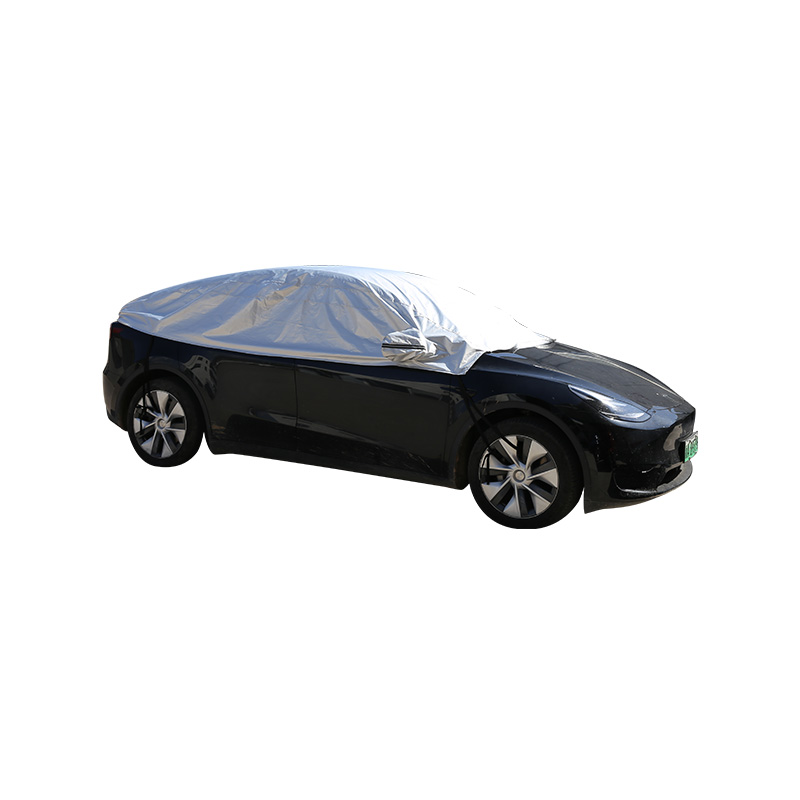 View More >>
 View More >>
 View More >>
 View More >>



