
 English
 中文简体
中文简体 Español
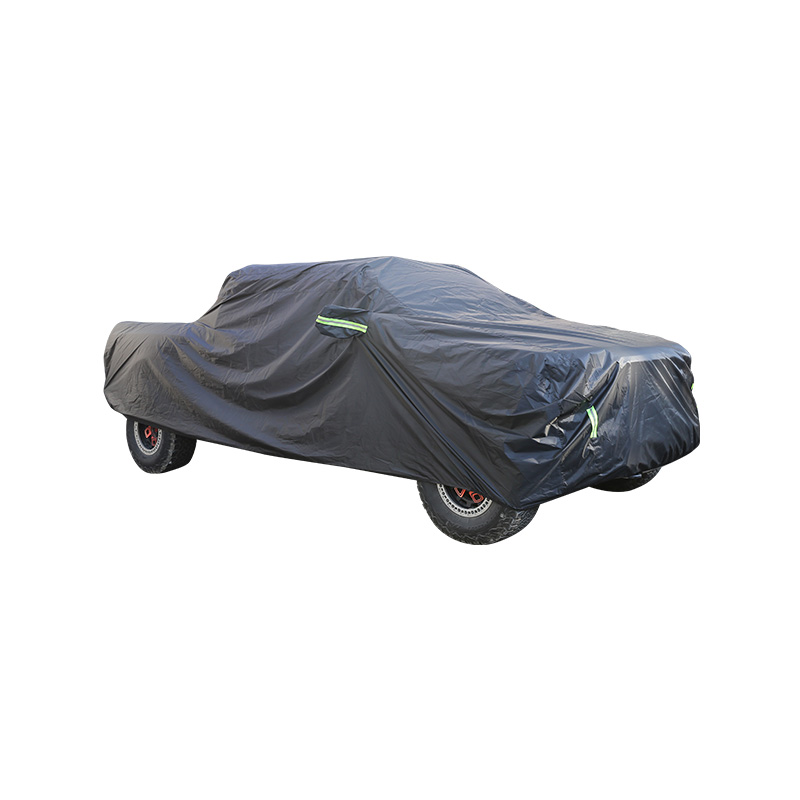
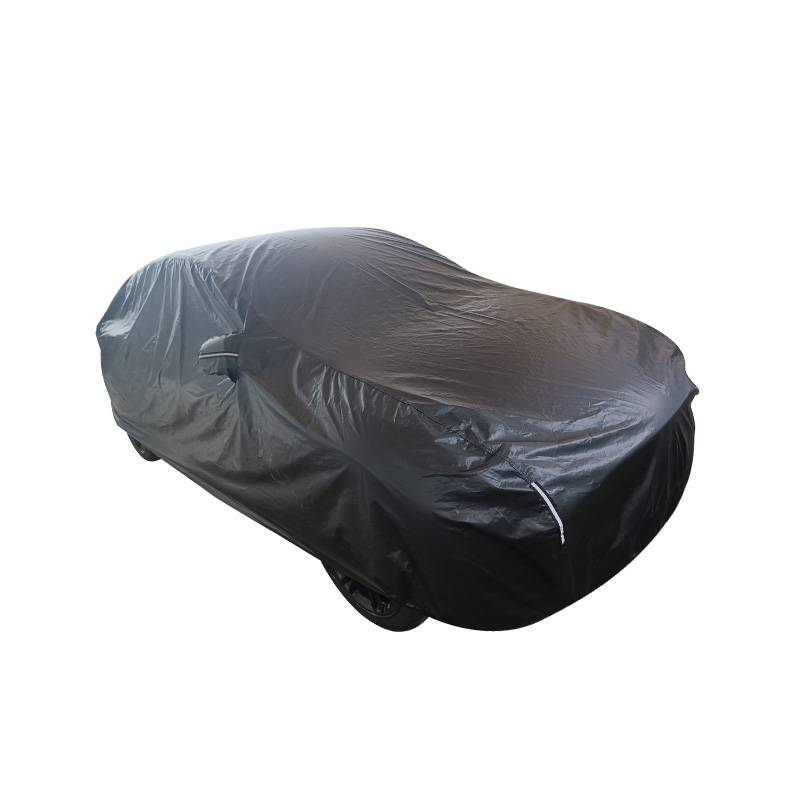
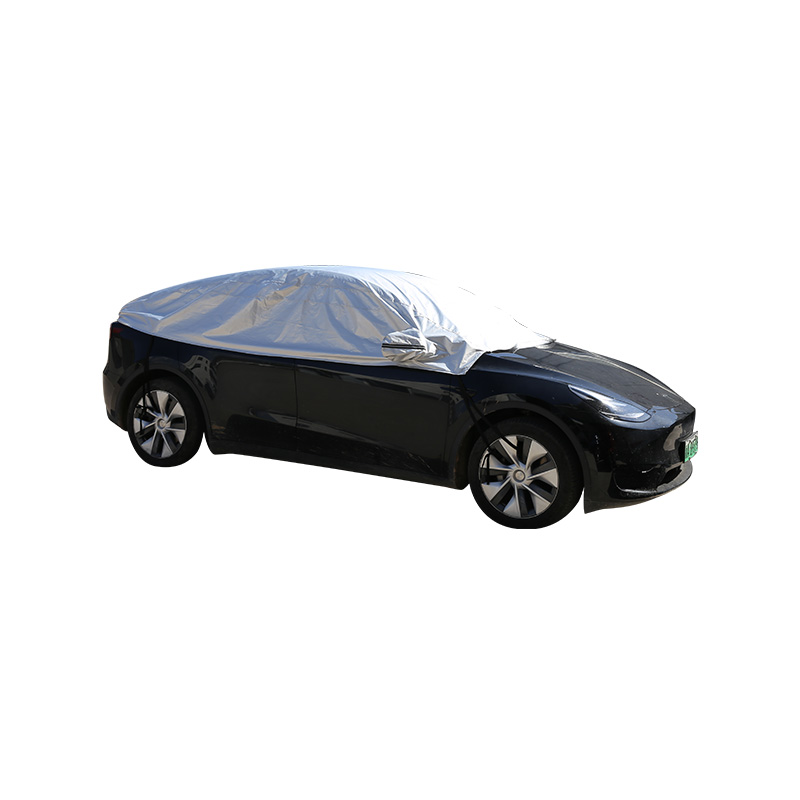
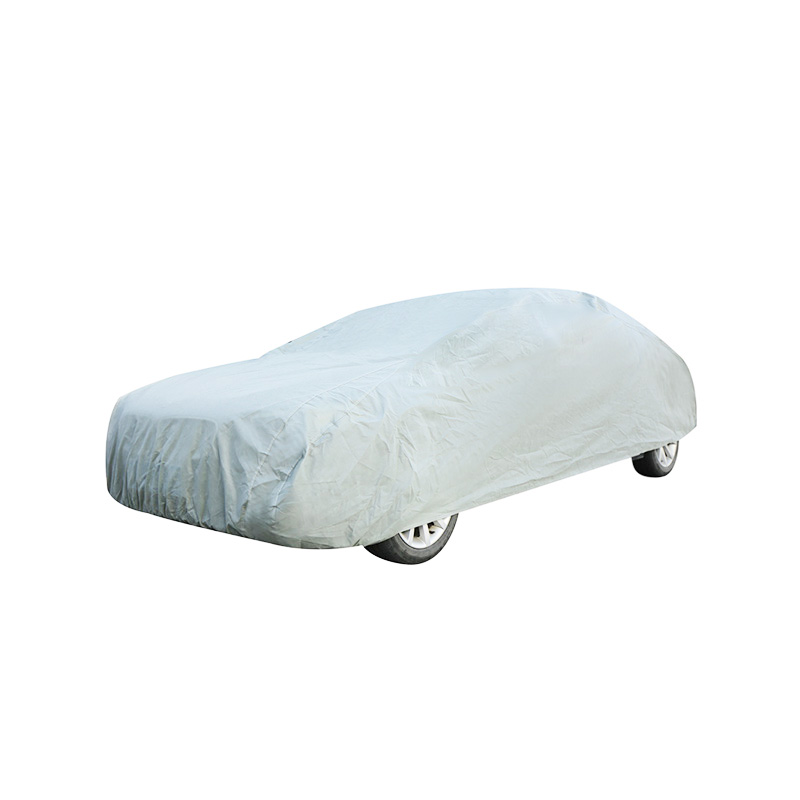
Car cover has become an increasingly common sight in driveways and parking lots, as vehicle owners look for a simple way to protect their cars from sun, rain, bird droppings, and falling leaves. What was once considered an accessory for classic car enthusiasts is now used by everyday drivers who want to keep their vehicles looking cleaner for longer.
The basic function of a car cover is straightforward. It creates a physical barrier between the vehicle's exterior and the surrounding environment. A good car cover can prevent UV rays from fading paint over time. It can stop tree sap from bonding to the windshield. It can keep dust and pollen from settling into door seams and window edges. For people who park outdoors regularly, a car cover offers protection that washing alone cannot provide.
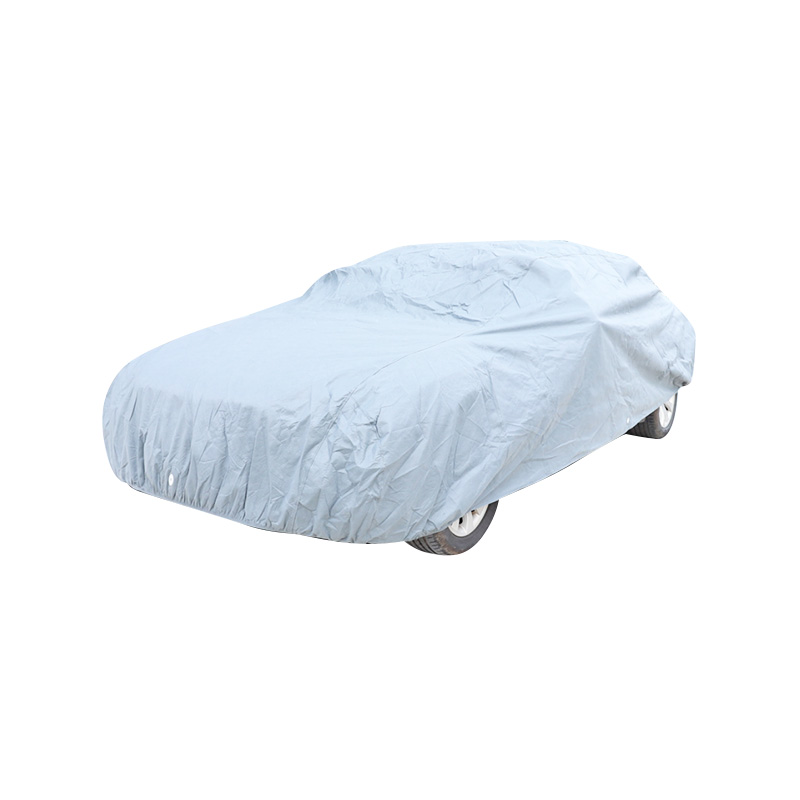
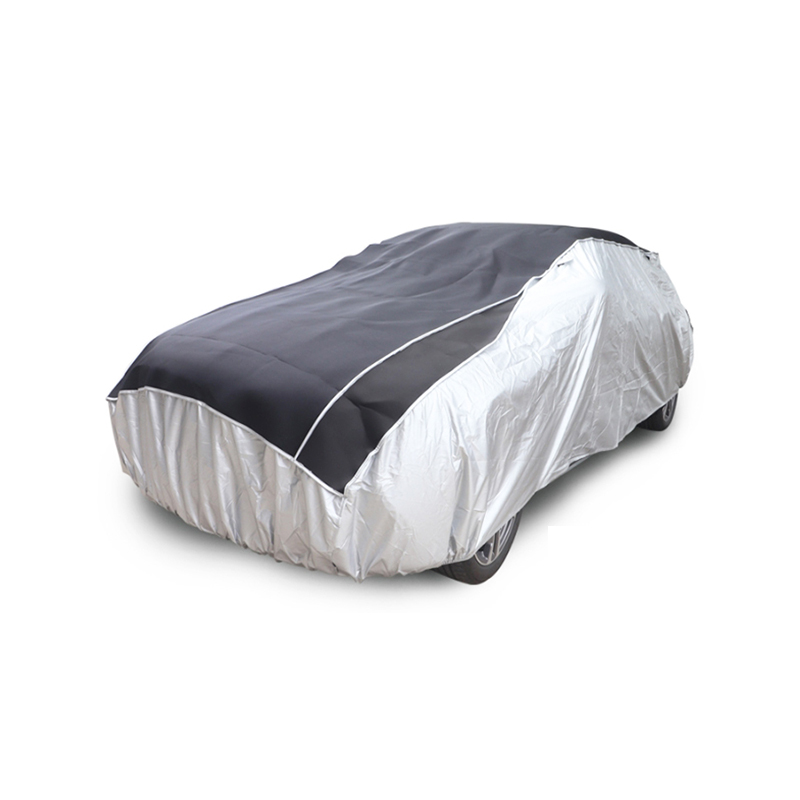
Car covers come in a range of materials, each suited to different conditions. Lightweight covers are easy to fold and store but offer less protection against hail or falling branches. Heavy-duty covers use multiple layers of fabric to resist tearing and provide some cushioning against minor impacts. Water-resistant covers work well for rainy climates, while breathable covers are better for dry, sunny areas where trapped moisture could become a problem.
Fit is an important consideration. A car cover that is too loose can flap in the wind, potentially scratching the paint with its own movement. A cover that is too tight may be difficult to put on and could stress the seams over time. Many manufacturers offer covers designed for specific vehicle shapes, including side mirror pockets and elastic hems that grip the front and rear bumpers. Universal covers fit a range of similar-sized cars but may not provide the same level of security.
Installation takes practice. Putting on a car cover alone can be awkward, especially on a windy day. Some owners start at the front and work backward, while others prefer to unfold the cover on the hood and then walk around the car pulling it into place. A few car covers include straps that pass under the vehicle to keep the cover from blowing off in strong winds. Others use a cable and lock system for added security.
Maintenance of the car cover itself is often overlooked. A dirty car cover can do more harm than good, as grit trapped between the fabric and the paint can act like sandpaper. Lots of car covers are machine washable, though owners should follow the care instructions carefully. Air drying is generally recommended, as high heat from a dryer can shrink or damage the fabric.
Some drivers choose not to use a car cover despite the benefits. The inconvenience of putting it on and taking it off every day discourages regular use. Others worry about scratching the paint if the cover is placed over a dirty car. For these owners, a car cover might only come out during extended parking, such as when going on vacation or storing a vehicle for a season.
The market has responded to these concerns with faster solutions. Some car covers now feature zippered panels that allow access to the driver's door without removing the entire cover. Others use soft inner linings designed to be gentle on paint even if the car is not superbly clean. These improvements have made car covers more practical for daily use.
As more households own vehicles than ever before, and as parking spaces become tighter and more exposed, the car cover remains a practical tool. It will not stop a large hailstorm or prevent a careless driver from opening a door into the parked car. But for protecting paint from the slow damage of sun and dirt, a car cover does a job that no wax or sealant can fully replace.
 View More >>
 View More >>
 View More >>
 View More >>
 View More >>
 View More >>



