
 English
 中文简体
中文简体 Español
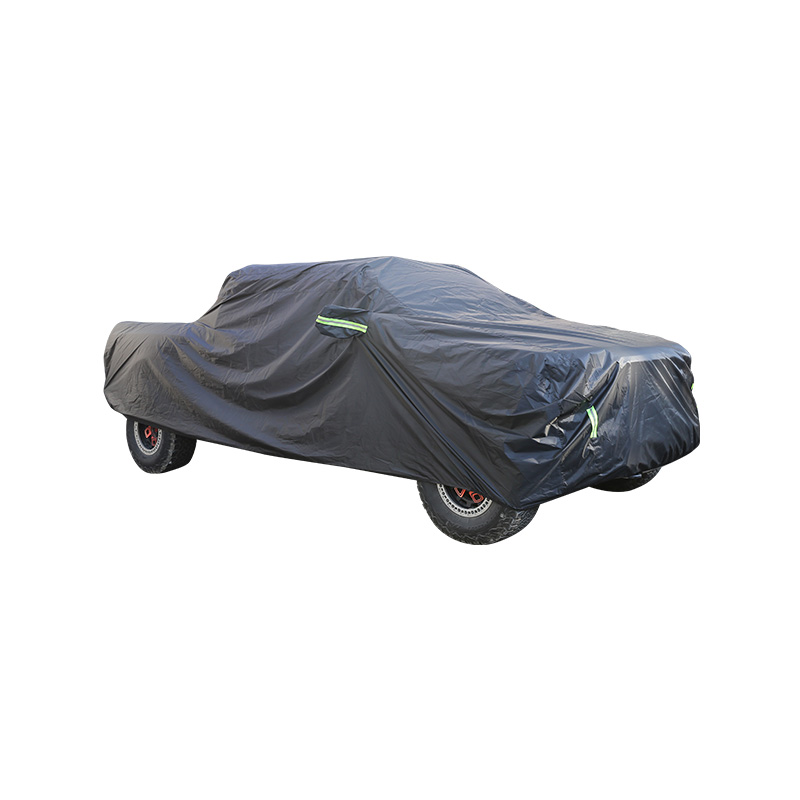
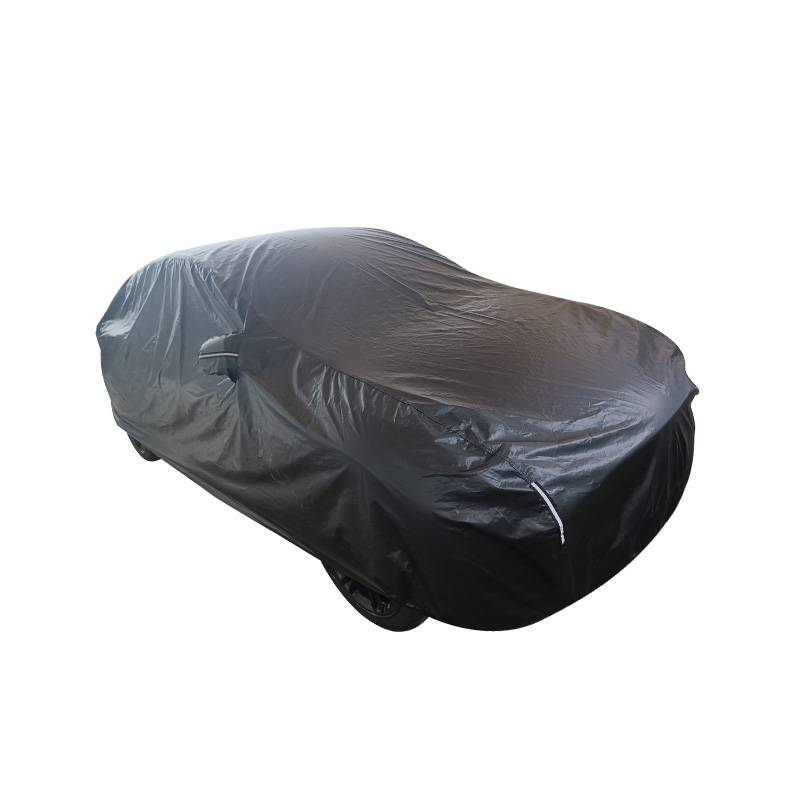
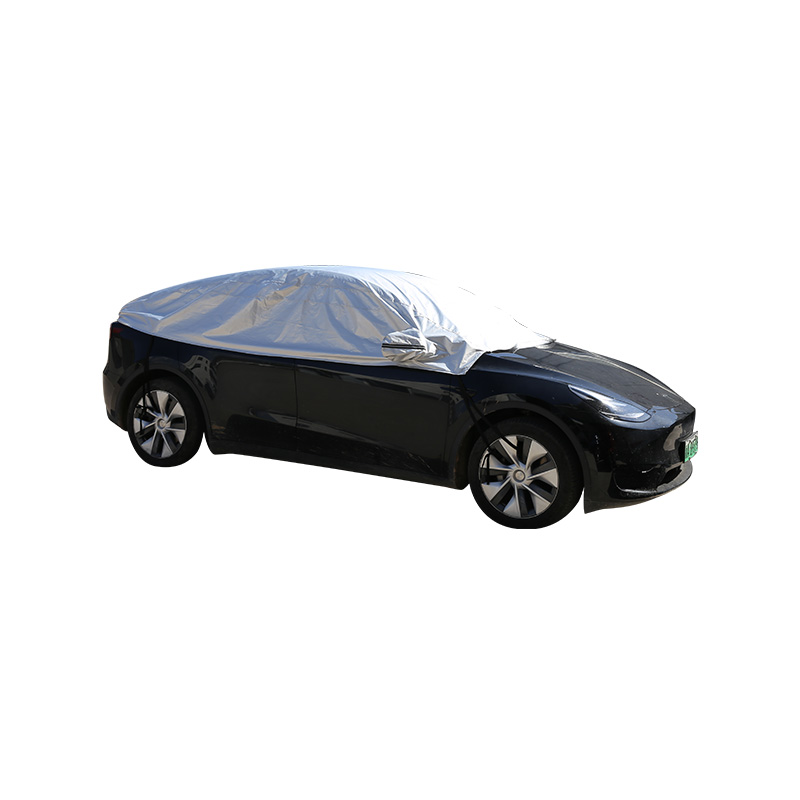
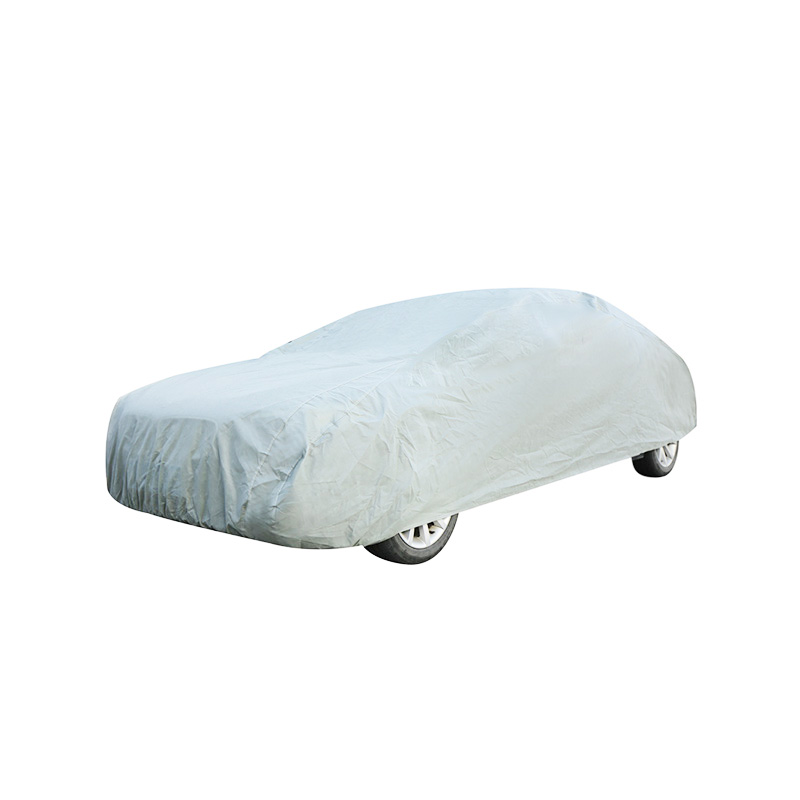
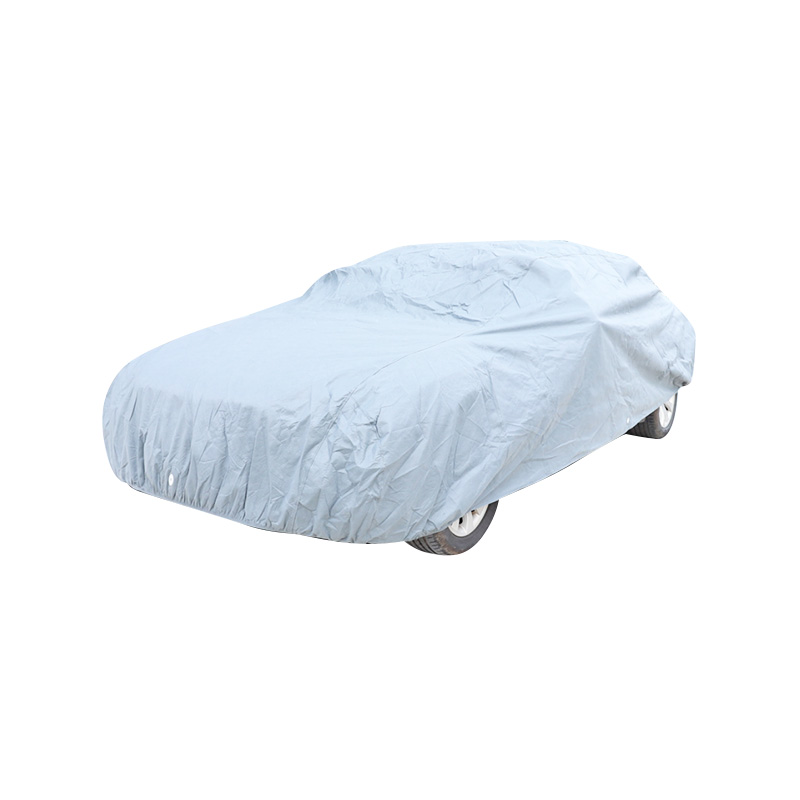
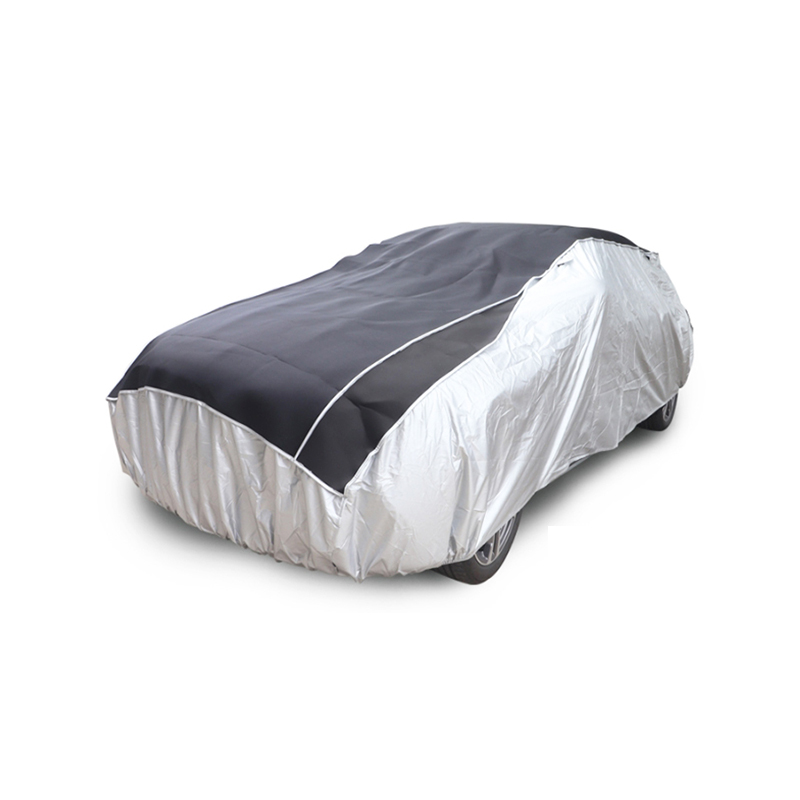
Within the sphere of automotive care and long-term asset protection, the use of dedicated protective measures for stored vehicles is gaining increased attention. A key product in this domain is the Indoor Car Cover, a specialized textile shield designed for use in garages, storage units, and other sheltered environments. Unlike outdoor covers built to withstand rain and UV rays, the primary role of an Indoor Car Cover is to guard against a different set of threats: dust accumulation, incidental scratches, moisture condensation, and exposure to household chemicals or workshop debris. The growing market for these covers reflects a nuanced understanding among collectors, seasonal vehicle owners, and meticulous daily drivers that even in a controlled setting, a vehicle's finish and interior benefit from a dedicated layer of protection during periods of inactivity.
The fundamental purpose of an Indoor Car Cover is to act as a breathable barrier. In an enclosed space like a garage, airborne dust, pollen, and fine particulate matter can settle on a vehicle's surface over weeks or months. A high-quality Indoor Car Cover prevents this direct settlement, keeping the paint cleaner and reducing the need for frequent dusting, which itself can cause micro-scratches. Perhaps more critically, a proper Indoor Car Cover allows for breathability. In a climate-controlled garage, temperature fluctuations can still cause condensation forming on a cold vehicle surface. A breathable fabric permits this moisture vapor to pass through, preventing it from being trapped against the paint where it could potentially contribute to mildew or corrosion issues, a problem sometimes associated with non-breathable plastic sheeting.
Material selection is paramount for an effective Indoor Car Cover. The ideal fabrics are soft, lightweight, and non-abrasive, often blends of cotton, flannel, or polyester fleece. These materials are gentle on clear coats and paints, including sensitive finishes on classic cars. The inner layer that contacts the vehicle is typically a plush, brushed fabric that provides a cushioning effect. Unlike rugged outdoor covers, an Indoor Car Cover does not require heavy waterproof coatings or UV stabilizers; instead, its value lies in its purity and softness. Many premium Indoor Car Cover options are also treated to be anti-static, helping to repel dust, and are designed for easy installation and removal, often incorporating soft elastic hems or tie-down straps that are gentle on the vehicle's bodywork.
The Indoor Car Cover segment may see innovation in smart fabrics and storage solutions. Developments could include materials with inherent anti-microbial properties to further safeguard against moisture-related issues or fabrics woven with subtle, non-invasive RFID tags for inventory management in large storage facilities. The integration of ultra-soft, new textile blends that offer even greater dust repellency without chemical treatments is a likely avenue. As the global vehicle parc ages and the culture of preservation grows—whether for financial investment or sentimental value—the Indoor Car Cover will maintain its essential role. It represents a simple yet profoundly effective tool in the preservationist's toolkit, proving that proactive care in a controlled environment is a key strategy for maintaining automotive beauty and integrity over the long term.
 View More >>
 View More >>
 View More >>
 View More >>
 View More >>
 View More >>



