
 English
 中文简体
中文简体 Español
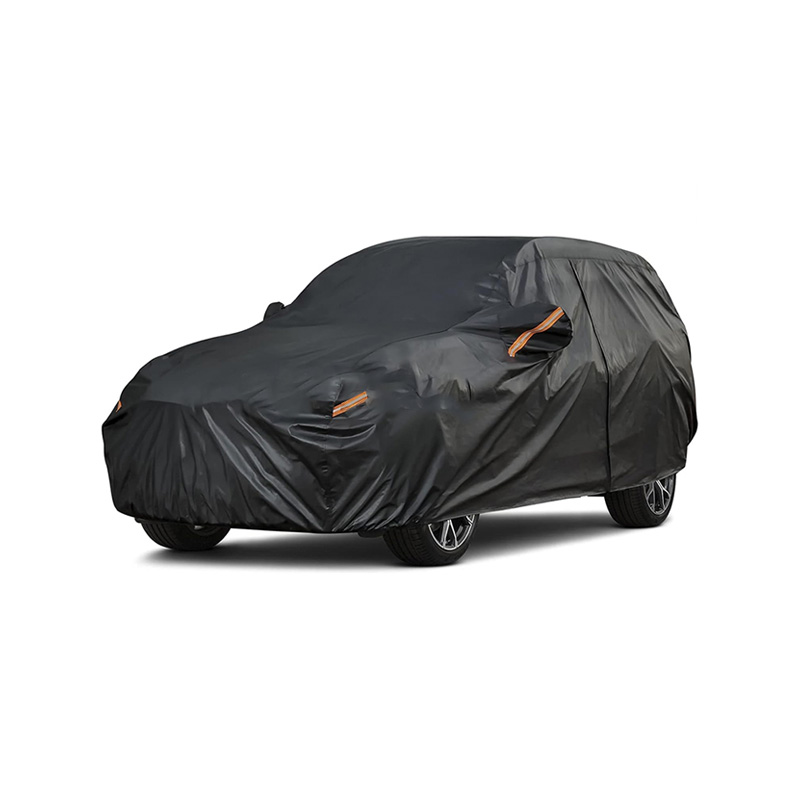
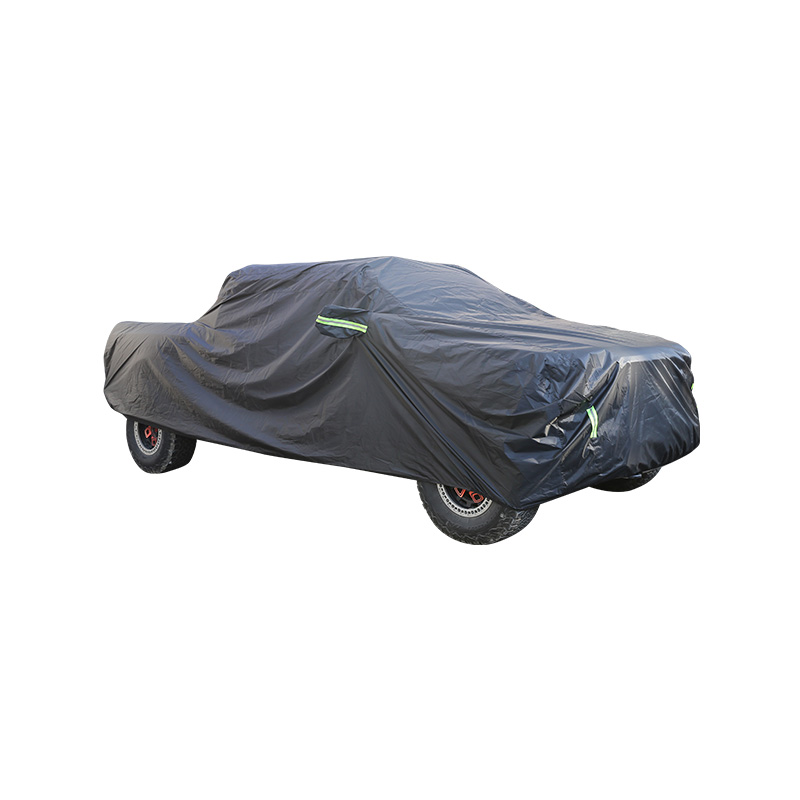
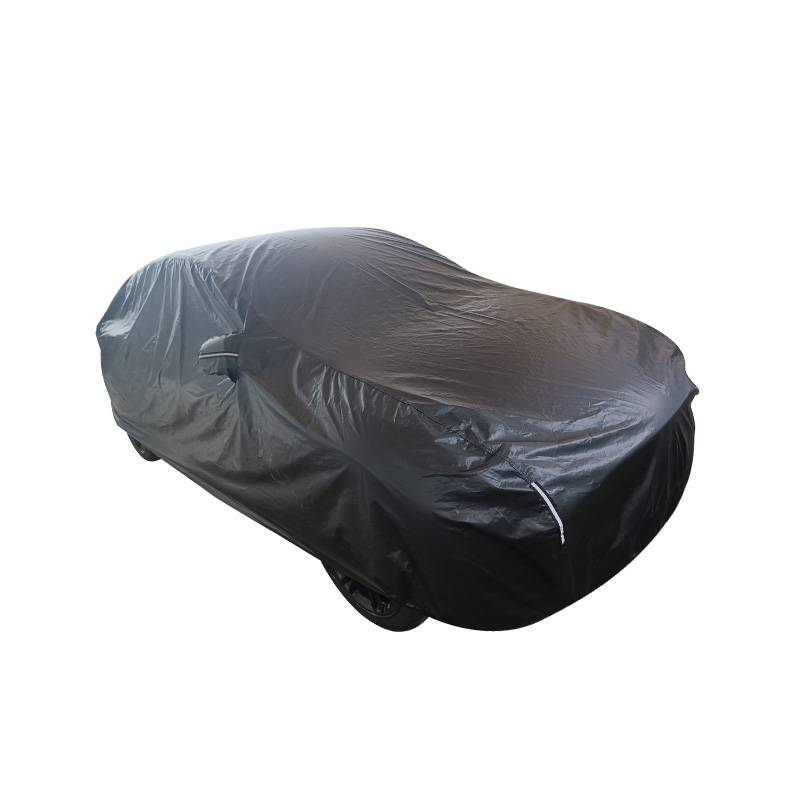
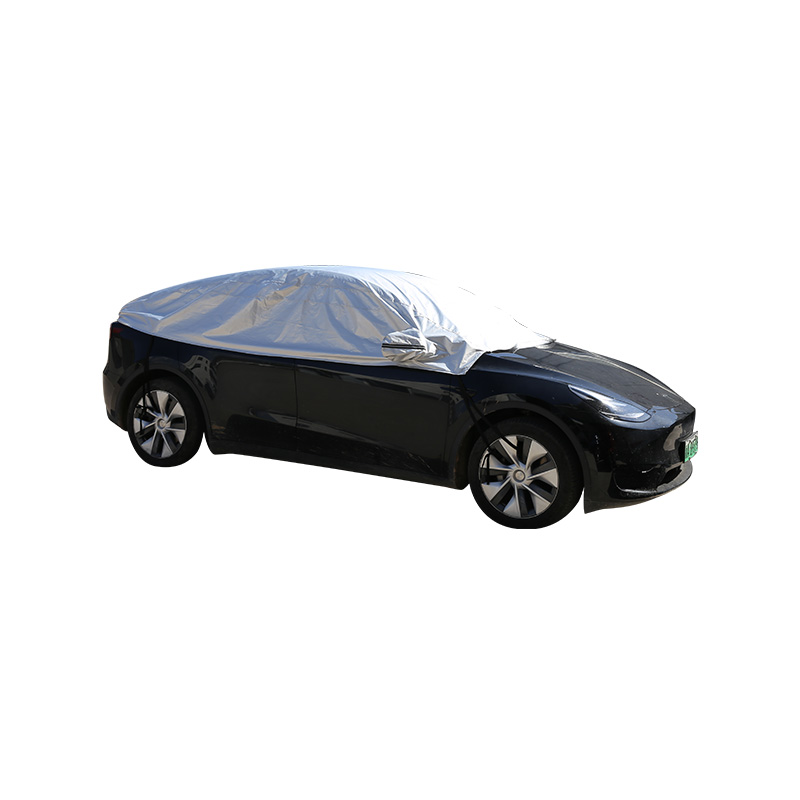
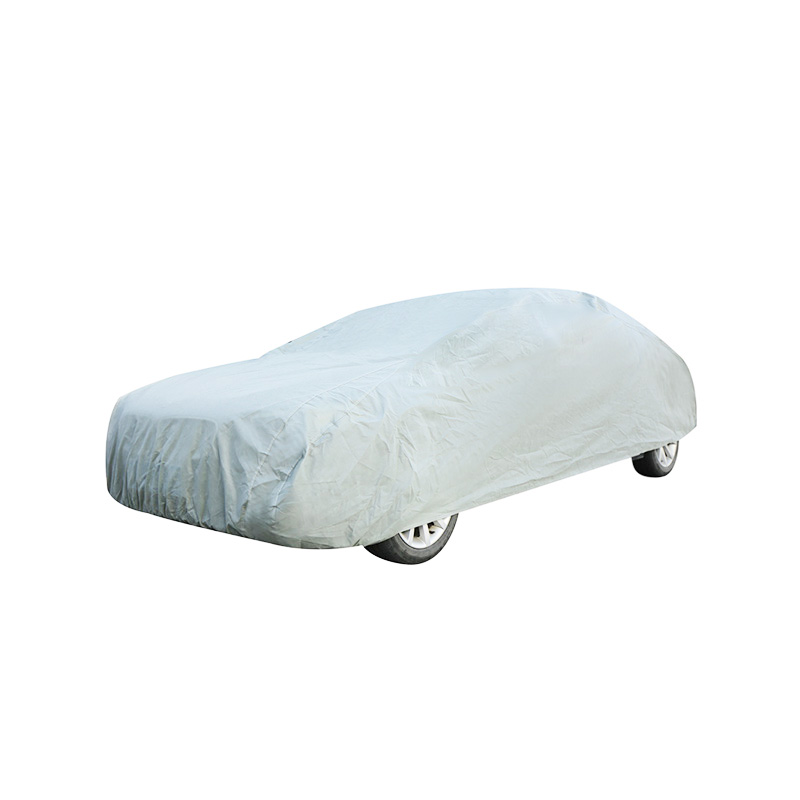
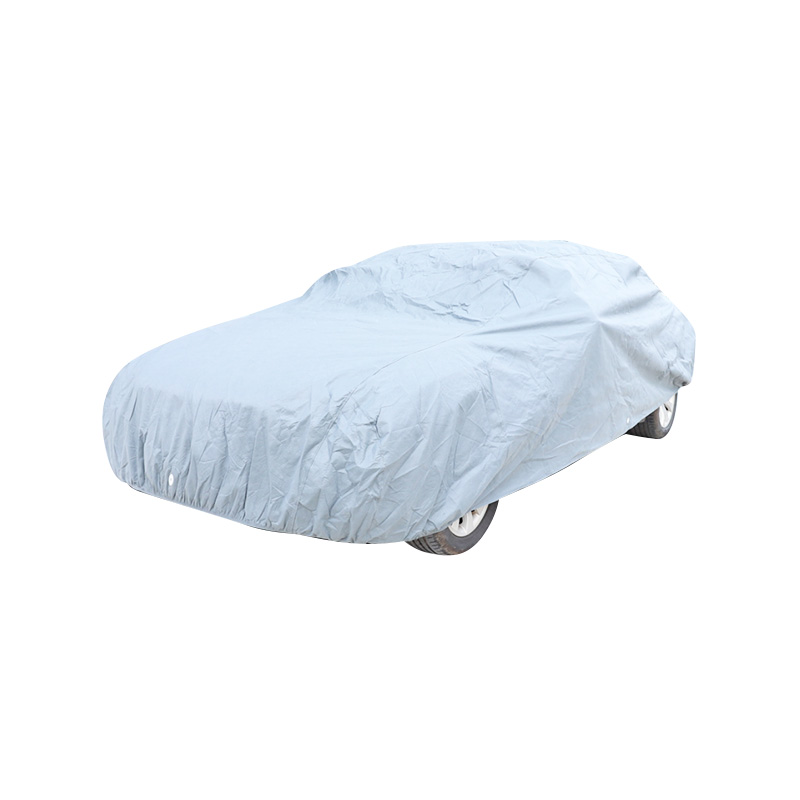
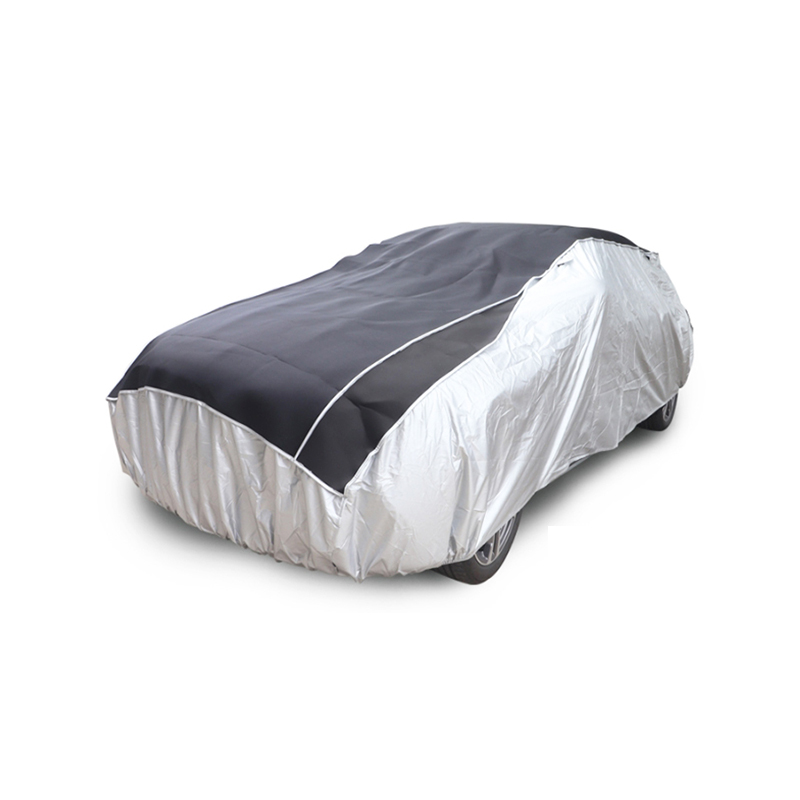
The recreational vehicle market encompasses a wide range of mobile assets, from travel trailers and motorhomes to camper vans and fifth wheels. A common priority for owners of these vehicles, particularly in climates with distinct seasons, is protecting their substantial investment during periods of non-use. This necessity has established the RV Cover as a critical product within the RV accessory ecosystem. A purpose-built RV Cover is engineered to shield the vehicle's exterior from environmental elements, UV radiation, and incidental debris while it is stored outdoors, addressing key concerns about paint fade, roof degradation, and general wear that can occur even when the vehicle is stationary. The selection and use of an appropriate RV Cover are widely regarded as a fundamental step in responsible RV ownership and long-term value preservation.
The core function of an RV Cover is to provide a comprehensive, weather-resistant barrier. Unlike a simple tarp, a quality RV Cover is tailored to mitigate specific threats. Prolonged exposure to ultraviolet sunlight is a primary cause of fiberglass gel coat oxidation, decal fading, and rubber seal deterioration on an RV. A high-quality RV Cover with UV-inhibitive properties dramatically slows this process. The cover also protects against acid rain, tree sap, bird droppings, and air pollution, which can stain or etch exterior surfaces. For storage in wooded or dusty areas, an RV Cover prevents the accumulation of leaves, pine needles, and grime on roofs and in seams, areas where organic debris can trap moisture and cause mold or rot. By keeping the vehicle clean and dry, the RV Cover simplifies the preparation process when the camping season begins.
The designation of a high-performance RV Cover is defined by its material composition and construction features. Modern covers are typically fabricated from multi-layered, breathable fabrics such as polypropylene or polyester blends. Breathability is a non-negotiable attribute; it allows moisture vapor from inside the cover (e.g., from minor condensation) to escape while preventing external water from penetrating, thereby inhibiting mildew formation. Reinforced stitching at stress points, double-layered panels on the roof and corners, and adjustable tension panels or straps are standard on better models to ensure a secure, wind-resistant fit. A soft inner liner is often included to prevent abrasion against the RV's paint or graphics. Furthermore, features like zippered access panels for doors and vents add convenience for owners who need occasional entry without removing the entire RV Cover.
Innovation in the RV Cover industry is likely to focus on material longevity, user convenience, and smart integration. The development of more durable, rip-stop fabrics with longer-lasting water repellency (DWR) coatings will be a continuous goal. Designs that simplify the installation and removal process for a single person, through color-coded systems or integrated deployment aids, will remain popular. While high-tech integrations are less common, there is potential for covers with subtle solar reflectance properties to further reduce internal heat buildup or the use of RFID tags for identification in large storage facilities. As the population of RV owners grows and vehicles are kept in service for longer periods, the practical role of the RV Cover in mitigating depreciation and preventing costly repairs will only become more clearly established, solidifying its status as an essential component of seasonal RV maintenance and storage protocols.
 View More >>
 View More >>
 View More >>
 View More >>
 View More >>
 View More >>



