
 English
 中文简体
中文简体 Español
For owners of recreational vehicles, protecting a significant investment during periods of non-use is a primary concern. This has solidified the role of the RV cover as an essential accessory in the world of RV ownership. Designed to shield vehicles from environmental elements while stored outdoors, the selection and use of an appropriate RV cover are widely recognized as key strategies for preserving exterior condition, preventing interior damage, and maintaining resale value.
The fundamental purpose of an RV cover is to create a protective barrier. When an RV is parked for weeks or months, it is exposed to sunlight, rain, snow, dust, pollen, and bird droppings. Ultraviolet rays from the sun can cause significant fading and degradation of exterior graphics, sealants, and rubber components. A high-quality RV cover acts as a shield, blocking these harmful UV rays. It also prevents water from seeping into seams and seals, reducing the risk of moisture-related issues like mold or interior water damage. By keeping the surface clean and dry, an RV cover simplifies the preparation process when the vehicle is ready for use again.
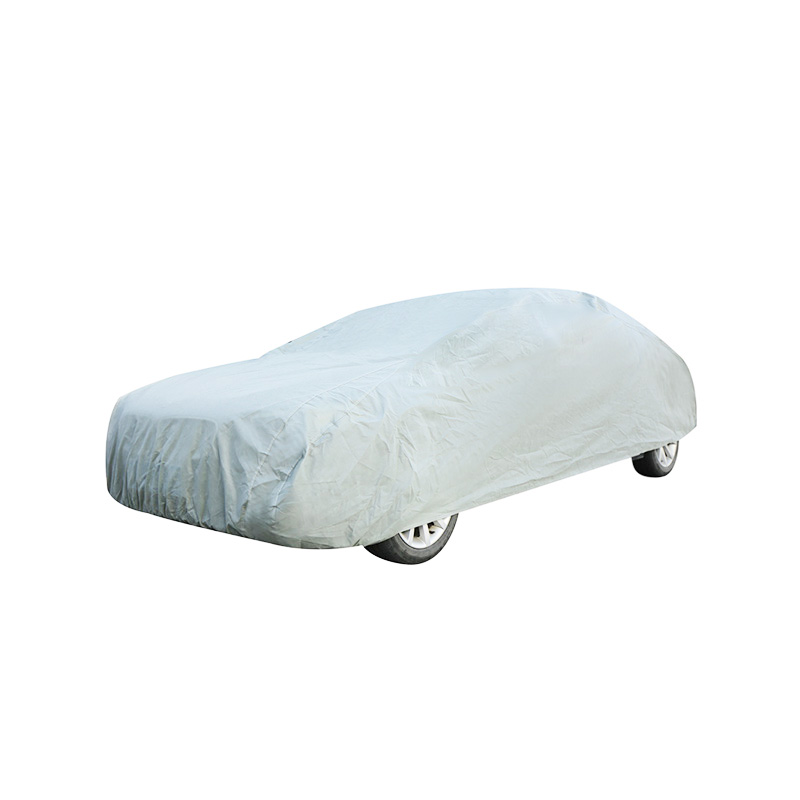
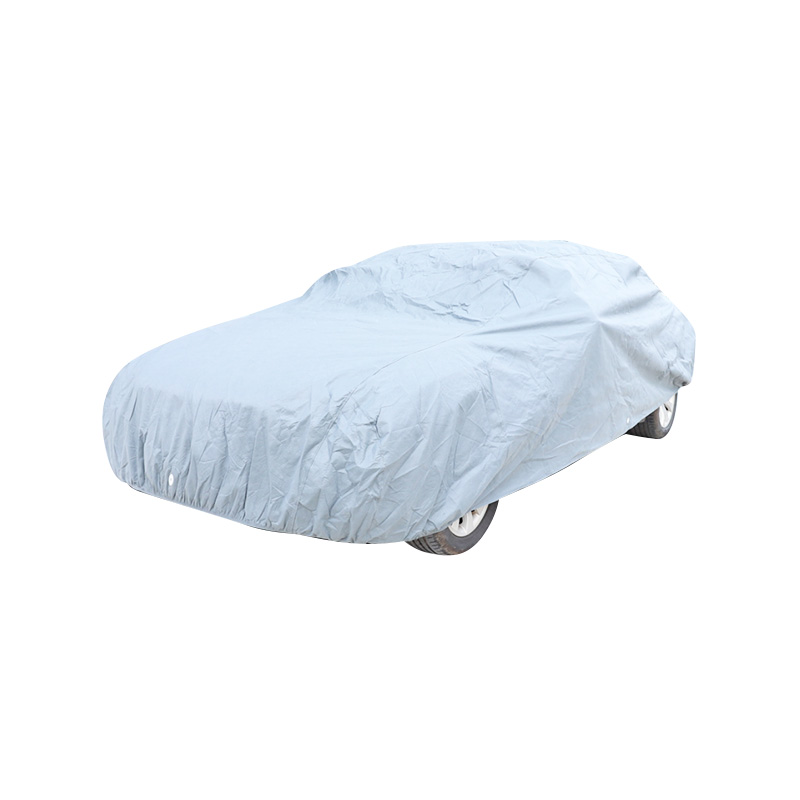
Selecting the right RV cover involves careful consideration of material, fit, and features. Modern RV cover fabrics are engineered for durability and breathability. Common materials include layered polypropylene or polyester fabrics that are water-resistant yet allow moisture vapor from under the cover to escape. This breathability is crucial to prevent condensation from being trapped against the RV's surface, which could cause mildew. A proper RV cover should be tailored to fit the specific model or type of RV (Class A, Class C, travel trailer, etc.), as a snug fit lesss wind flap and prevents abrasion. Features like reinforced stress points, adjustable straps or belts to secure the cover, and zippered access panels for doors and compartments are now common in better RV cover products.
The benefits of using an RV cover extend beyond basic weather protection. By preventing the accumulation of dirt and organic debris on the roof and sides, an RV cover helps maintain the integrity of roof membranes and reduces the need for aggressive cleaning that can wear on finishes. It also deters pests and small animals from nesting in engine compartments or undercarriages. For owners storing their RVs in areas with falling leaves, sap, or industrial pollution, an RV cover provides an indispensable layer of defense.
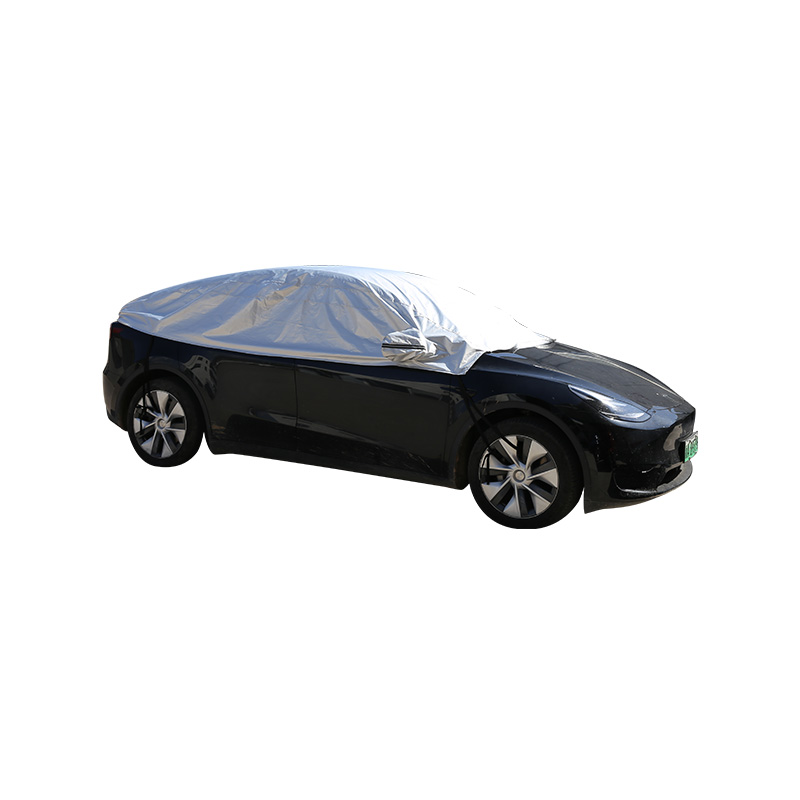
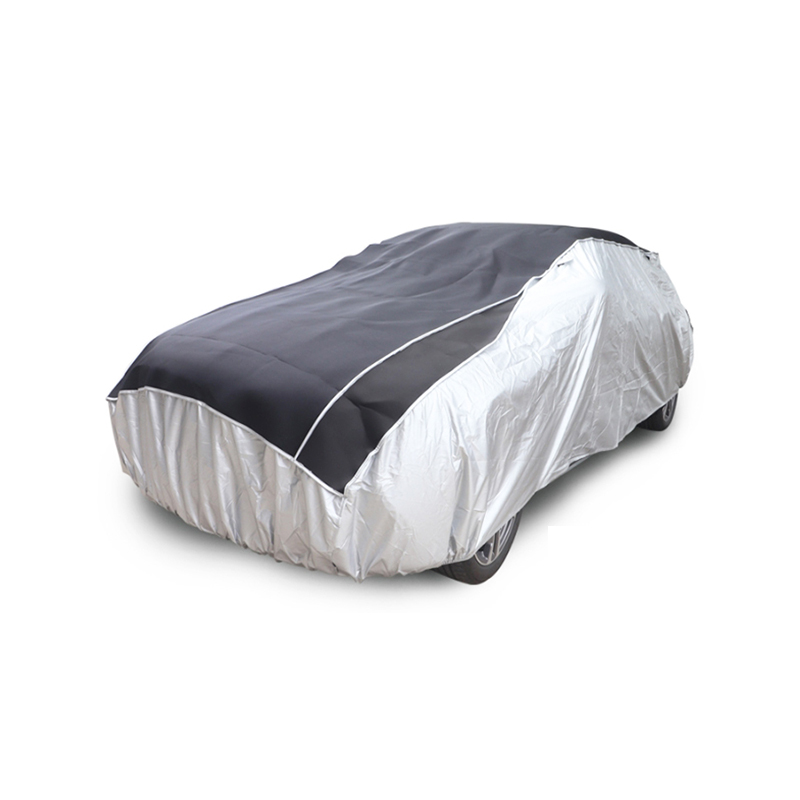
The market offers a range of RV cover options to suit different climates and storage durations. Lightweight covers are available for milder climates or short-term shelter, while heavy-duty, multi-layer RV cover products are designed for harsh winter conditions or long-term outdoor storage. The growing understanding of these distinctions allows owners to make more informed purchases, investing in a cover that matches their specific environmental challenges.
Innovation in the RV cover industry is likely to focus on material science—developing fabrics with higher tear strength, improved UV resistance, and enhanced breathability. As the RV community continues to grow and owners become more knowledgeable about long-term care, the RV cover is poised to remain a fundamental product for responsible ownership. It represents a practical and relatively low-cost solution for mitigating the effects of weather and time, helping ensure that the vehicle is ready for adventure whenever the next journey begins.
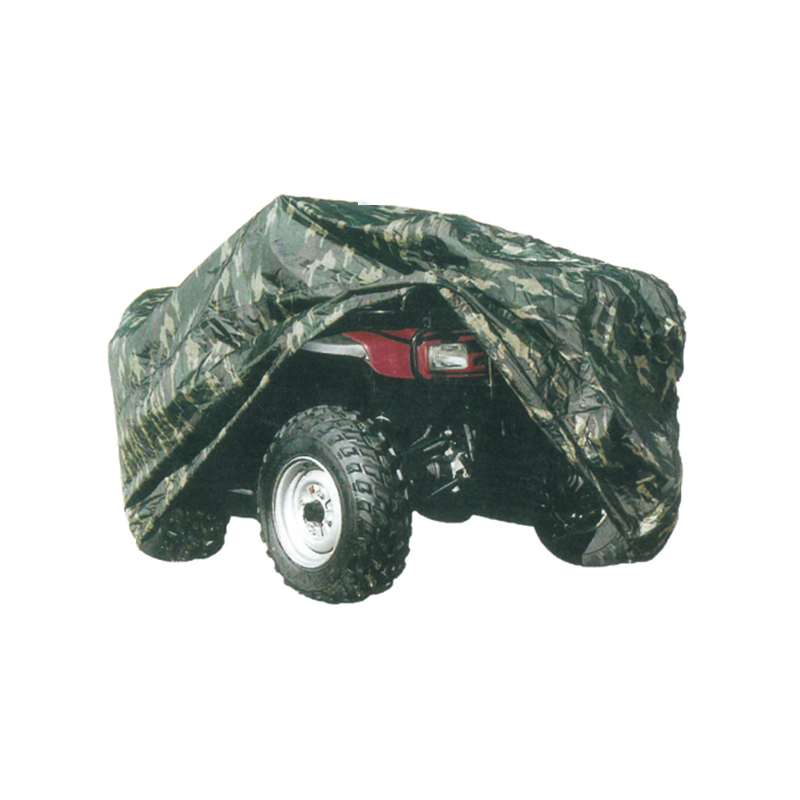
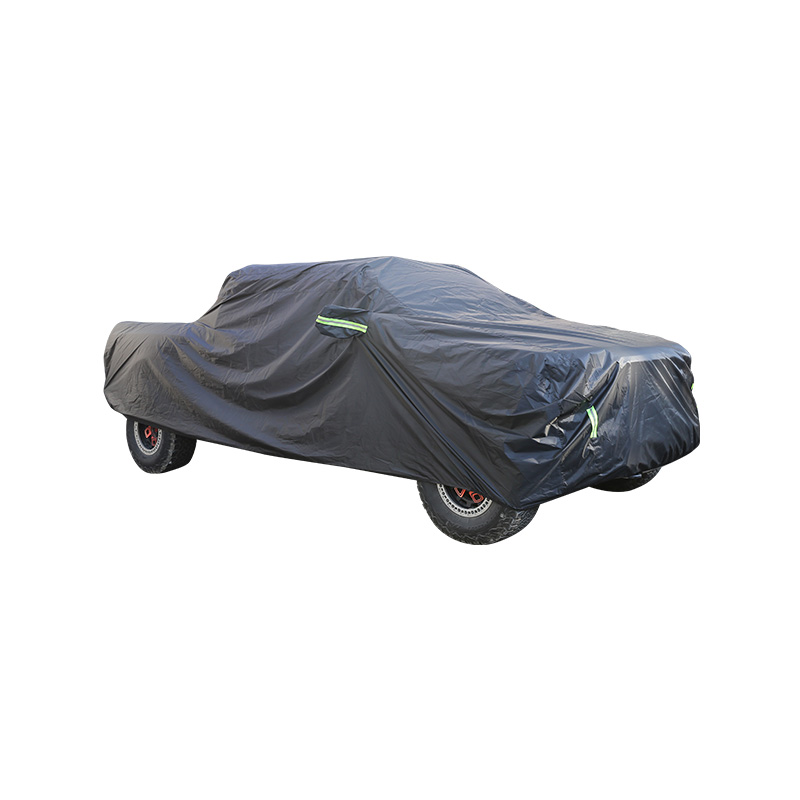 View More >>
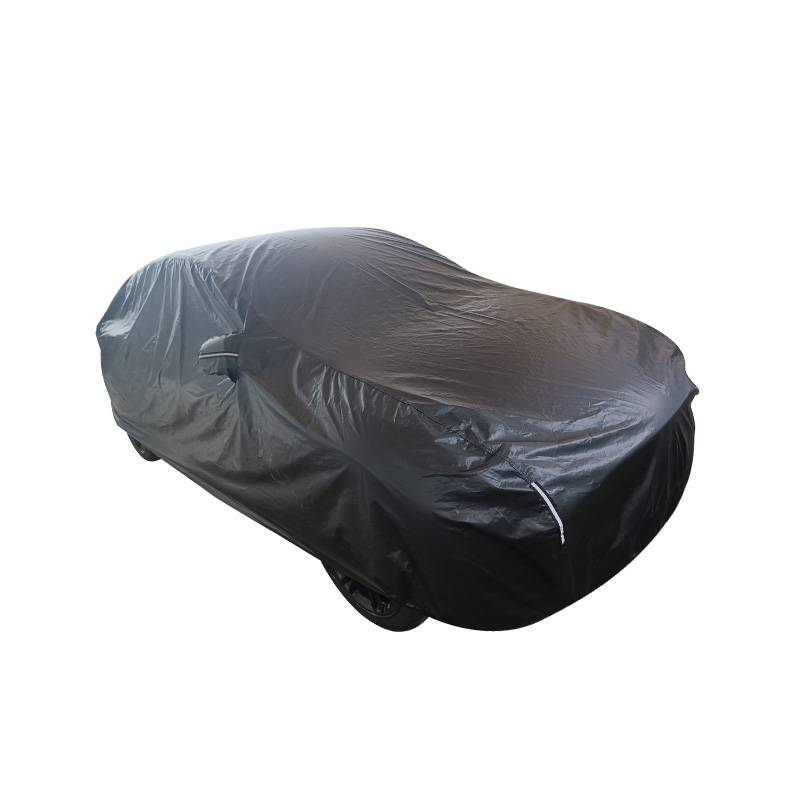 View More >>
 View More >>
 View More >>
 View More >>
 View More >>



