
 English
 中文简体
中文简体 Español
A lot of drivers only think about a windscreen frost cover during winter mornings. The product gets pulled out during freezing weather, stretched across the windshield, then folded back into the trunk once the ice disappears.
From a manufacturing perspective, that repeated folding and temperature cycling is exactly what shortens product lifespan fastest.
Actually, damage does not happen while the cover is protecting the windshield. It happens during storage, folding, moisture retention, and UV exposure between uses.
That is why some covers survive several winters while others begin cracking or losing waterproof performance after one season.
Moisture Retention Usually Causes The First Problems
After removing a windscreen frost cover, many users fold it immediately while moisture is still trapped inside the fabric layers.
This creates problems slowly.
When condensed water remains inside folded material for long periods, inner coatings start aging faster. Some lower-grade waterproof layers gradually separate from the backing fabric after repeated wet storage cycles.
In colder regions, trapped moisture may even freeze again inside the folded sections.
Over time, this affects flexibility around crease lines .
That is why manufacturers usually recommend drying the cover briefly before long-term storage, especially after snow exposure.
Folding The Same Position Repeatedly Weakens The Material
Inside factories, technicians often pay attention to crease durability testing for windscreen frost cover products.
Repeated folding pressure concentrates stress on the same material lines again and again. Once the internal waterproof coating becomes fatigued, tiny surface cracks begin forming around those bending areas.
This is especially common with thicker PVC-coated materials.
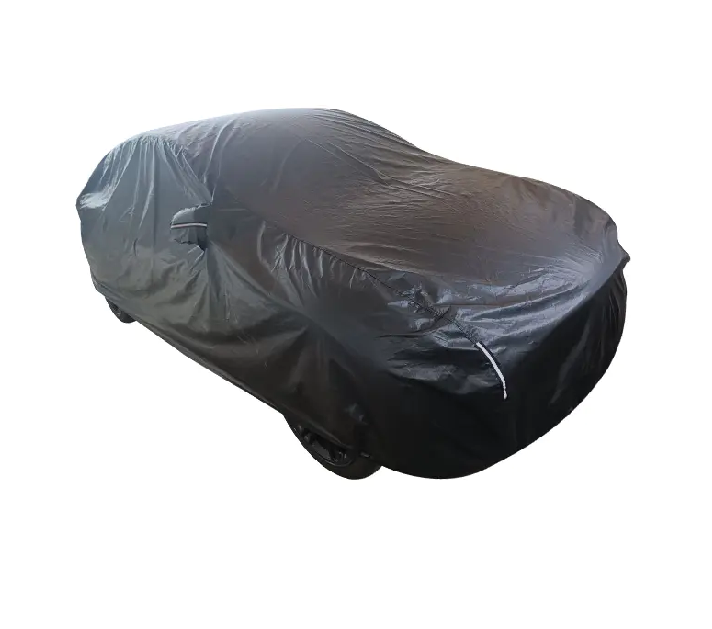
A better habit is changing folding directions occasionally instead of compressing the exact same lines every day. That distributes material stress more evenly across the surface.
The difference is not obvious immediately, but long-term durability changes quite a lot.
UV Exposure Continues Even During Winter
People usually associate sunlight damage with summer car covers, not winter accessories.
In reality, UV exposure still affects a windscreen frost cover during cold seasons, especially in areas with strong daytime sunlight and freezing nights.
Lower-grade synthetic fibers gradually become brittle under combined UV and low-temperature conditions.
Common early signs include:
- surface fading
- stiffness around edges
- coating peeling
- reduced waterproof effect
- cracking near stitched areas
This is why better-quality covers often include UV-resistant surface treatment even when designed mainly for frost protection.
Temperature alone is rarely the only aging factor.
Elastic Straps Usually Wear Out Earlier
Interestingly, the fabric itself is not always the component to fail on a windscreen frost cover.
In many products, elastic fixing straps lose recovery strength earlier than the main body material. Continuous stretching during installation gradually weakens elasticity, especially after repeated freezing and warming cycles.
Once strap tension decreases, the cover no longer stays flat against the windshield during windy conditions.
That movement increases abrasion around edge contact points.
Factories producing export-grade winter covers often test elastic recovery separately because fixing stability directly affects real-world use performance.
Cleaning Chemicals Can Damage Waterproof Layers
Some users clean a windscreen frost cover using strong detergents or aggressive brushes after winter use.
This sometimes damages the surface coating faster than weather exposure itself.
Waterproof layers rely on stable surface treatment. Harsh chemical cleaners gradually break down that protective structure, reducing water resistance over time.
For covers, simple water cleaning and mild soap are usually safer than industrial cleaning chemicals.
Mechanical scrubbing also matters.
Aggressive brushing may weaken stitching areas or roughen the protective coating surface, especially on reflective frost covers using aluminum film layers.
Storage Temperature Changes Material Aging
Where the windscreen frost cover is stored between seasons also affects lifespan.
Leaving the cover compressed inside overheated vehicle trunks during summer accelerates material aging significantly. High temperatures slowly reduce flexibility in synthetic coatings and adhesive layers.
This becomes more noticeable when the cover is unfolded again during winter.
Some products feel noticeably stiffer after long hot-weather storage because internal plasticizers gradually migrate out of the material structure.
Dry and ventilated storage conditions usually help maintain flexibility much longer.
Multi-Layer Covers Need More Care
Modern windscreen frost cover products often use multiple layers instead of single fabric construction.
A typical structure may combine:
- waterproof outer fabric
- thermal insulation layer
- soft inner lining
- reflective coating
- anti-scratch backing
These layers expand and contract differently under changing temperatures. Excessive pulling during removal may separate bonded sections gradually, especially if the cover becomes partially frozen onto the windshield surface.
Experienced users usually loosen frozen edges gently instead of pulling aggressively from one side.
That reduces stress concentration near stitched corners.
Long Lifespan Usually Comes From Small Habits
Most durability differences in a windscreen frost cover are not caused by one major mistake.
Usually, small daily habits decide whether the material stays stable through multiple winter seasons.
Drying before storage, avoiding sharp folding pressure, reducing chemical exposure, and storing the cover away from heat all help slow material fatigue over time.
For winter automotive accessories, long-term performance often depends just as much on handling habits as on the fabric itself.
 View More >>
 View More >>
 View More >>
 View More >>
 View More >>
 View More >>



