
 English
 中文简体
中文简体 Español
For commercial vehicles, cabin interiors wear out much faster than passenger cars. Drivers climb in and out repeatedly, heavy boots bring gravel and dust into the cabin, and moisture stays trapped on the floor much longer during long-distance transport work.
That is why experienced manufacturers usually treat truck matts as functional interior components rather than simple decorative accessories.
In actual production, the discussion is rarely only about appearance.
A factory may spend more time adjusting backing hardness, edge curvature, or heel pad reinforcement than choosing surface patterns.
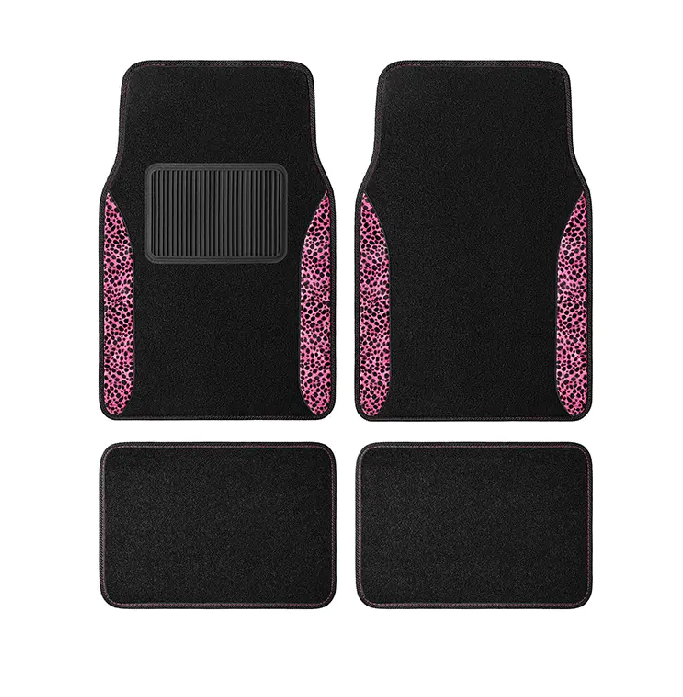
Material Density Changes The Entire Feel
Two sets of truck matts can look almost identical in photos but behave completely differently after several months inside a working truck.
The reason often comes from material density.
Lower-density PVC compounds feel softer at first, but repeated compression around pedal areas gradually weakens structural recovery. Once the material loses support strength, the mat begins deforming around high-pressure zones.
Commercial trucks create much heavier localized pressure than ordinary family vehicles.
That is why fleet buyers usually care more about compression recovery than surface softness alone.
Factories producing long-life mats often pay attention to:
- rebound stability
- thermal expansion
- abrasion resistance
- edge rigidity
- backing friction
These details affect long-term cabin performance far more than decorative stitching.
Why Edge Structure Matters More In Trucks
One problem commonly seen in cheaper truck matts is edge curling.
At first, slight edge lifting may look unimportant. Under daily truck use, it gradually becomes a larger issue because cabin vibration and foot movement constantly pull against the borders.
Once the edges deform permanently, the mat no longer stays flat against the floor platform.
Professional factories usually reinforce border areas because truck cabins experience stronger movement and vibration compared with standard passenger vehicles.
Some manufacturers also increase thickness around entry positions where drivers repeatedly drag work boots across the mat during climbing movement.
That wear pattern is extremely common in logistics and construction vehicles.
Temperature Resistance Is Often Overlooked
Truck interiors create harsher temperature conditions than many buyers expect.
A parked vehicle under sunlight can heat the cabin rapidly, especially around dark floor sections. Some lower-grade truck matts begin releasing strong odor once material coatings react to prolonged heat exposure.
Cold environments create different problems.
PVC materials with poor flexibility sometimes harden enough to crack near folding areas during winter installation. This is why export buyers in colder markets usually pay close attention to low-temperature flexibility during sourcing.
Inside production workshops, thermal testing is often more important than visual styling discussions.
Because once a mat starts shrinking, hardening, or deforming, appearance becomes irrelevant very quickly.
Surface Texture Is Not Just Decorative
Texture design on truck matts is usually connected directly to cleaning efficiency and grip control.
Deep grooves help trap water, sand, and mud more effectively during wet weather. However, overly aggressive patterns sometimes make cleaning slower because debris becomes trapped inside narrow channels.
Shallow textures create a cleaner appearance but may allow moisture to move more freely across the mat surface during braking.
That balance matters more in commercial vehicles because drivers spend long hours inside the cabin continuously.
Some fleet operators even request matte surface textures specifically because glossy finishes show scratches and dust too easily after heavy daily use.
Heel Pad Areas Usually Fail First
When technicians inspect used truck matts, the heel pad section almost always reveals the real material quality first.
Repeated foot rotation during acceleration slowly compresses the same area thousands of times over the product lifespan.
Poor reinforcement structure usually creates:
- surface flattening
- stitching separation
- foam collapse
- material cracking
- uneven surface pressure
That is why industrial-grade mats often include additional abrasion layers around pedal zones.
Good reinforcement is rarely obvious visually, but drivers notice the difference after long-term use.
Fitment Accuracy Is Harder Than It Looks
Many buyers assume floor mats are universal products.
In reality, truck cabin geometry varies heavily between manufacturers. Floor tunnels, seat brackets, air suspension bases, and storage sections all affect shaping precision.
A poorly fitted truck matts set may shift gradually during driving or interfere with pedal movement if dimensional control is inaccurate.
Because of this, tooling development becomes one of the technical stages during production.
Even small mold deviations may affect how the mat sits against the cabin floor.
Experienced factories usually pay close attention to edge contour tolerance rather than simply increasing material thickness.
Good Truck Mats Usually Feel Stable
Experienced drivers often judge truck matts very quickly without analyzing specifications.
The mat either feels stable or it does not.
No unwanted movement during braking. No curling edges after temperature changes. No excessive odor after long sunlight exposure. No uncomfortable hardness during winter use.
Most of those differences are created quietly during material selection and production control long before the product reaches the vehicle cabin.
 View More >>
 View More >>
 View More >>
 View More >>
 View More >>
 View More >>



