
 English
 中文简体
中文简体 Español
Sourcing a windscreen protector in bulk looks simple until two suppliers quote wildly different prices for what appears, on paper, to be the same item. The gap almost always comes down to what's actually layered inside the fabric, not the size or the fit.
Layer Count Changes What the Cover Actually Resists
A single-layer windscreen protector blocks frost and light dust reasonably well, but it won't hold up the same way against repeated exposure to direct sun or heavy condensation cycles that a two- or three-layer construction handles more consistently. Buyers comparing quotes should ask exactly how many fabric layers are bonded together and what each layer is made from, since a supplier quoting a lower price sometimes gets there by dropping from three layers to two without mentioning it in the spec sheet.
Silver Coating Isn't Just About Reflectivity
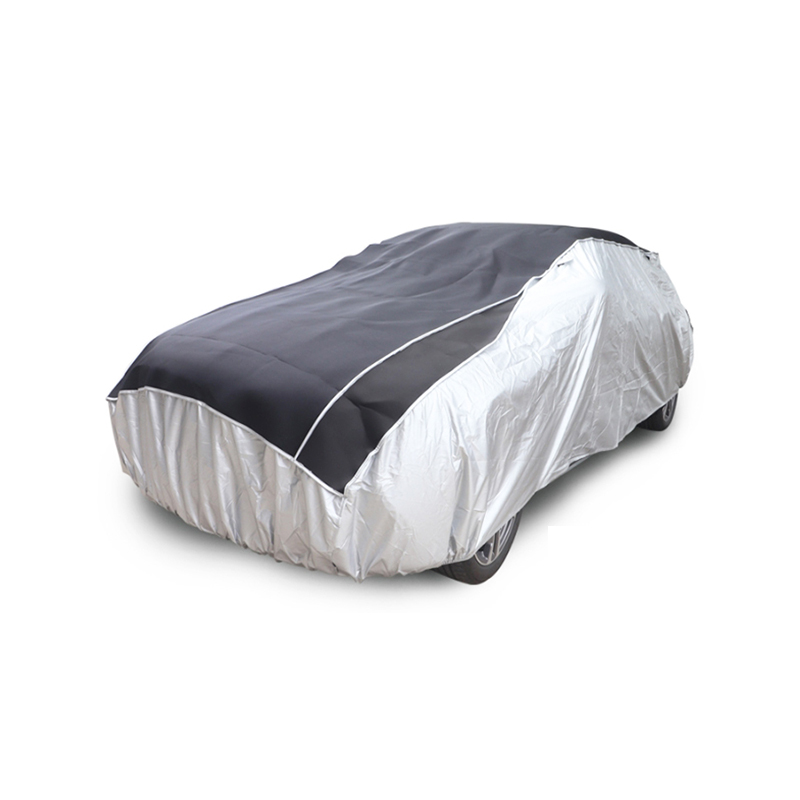
The reflective silver coating found on many windscreen covers does more than bounce sunlight — it also slows heat transfer through the fabric, which matters for regions where a cover needs to keep frost off in winter and reduce dashboard heat buildup in summer within the same product line. A silver-coated Oxford fabric applied evenly across the full panel performs more consistently than one where the coating is thin or patchy near the edges, and edge coating quality is one of the easiest things to check visually before placing a bulk order.
|
Fabric Construction |
Single-Layer |
Multi-Layer with Coating |
|
Frost resistance |
Adequate for mild climates |
Holds up in freeze-thaw cycles |
|
UV degradation over time |
Fades and weakens faster |
Coating slows fabric breakdown |
|
Typical unit weight |
Lighter |
Slightly heavier |
|
Suited climate |
Moderate, low-frost regions |
Continental climates with wide temperature swings |
Fit Tolerance Determines Whether Buyers Get Returns
A windscreen protector cut to a generic size range fits loosely on some vehicle models and too tightly on others, and loose fit is one of the more common reasons distributors see product returns in this category. A custom-fit windshield cover manufacturer working from actual vehicle dimension data — rather than a handful of generic size brackets — produces covers that seat against the glass edge more consistently, which reduces wind lift and keeps the cover from sliding during highway-adjacent parking.
Does the Fabric Carry Real UV Testing Data?
Marketing claims about sun protection are common; actual UV exposure test data is less common. Buyers should ask suppliers whether UV-resistant automotive fabric claims are backed by accelerated weathering test results or simply asserted based on the fabric type used. A supplier that can share hours-to-failure data from an actual test chamber is giving buyers something concrete to compare, rather than a marketing adjective that doesn't distinguish one supplier's fabric from another's.
Grommet and Strap Hardware Fails Before the Fabric Does
It's a common pattern in this product category: the fabric panel itself holds up fine for years, while the elastic straps or metal grommets used to secure the cover to the mirrors or wipers give out much sooner. Buyers sourcing for climates with frequent wind should ask specifically about strap material and grommet reinforcement, since a windscreen protector with premium fabric but undersized hardware still ends up in a landfill early simply because the attachment points wore through ahead of the fabric.
Cutting and Sewing Equipment Affects Batch Consistency
Manufacturers running dedicated cutting machines and overlock sewing lines — rather than manual cutting against a template — hold tighter dimensional consistency across a large production run, which matters directly to distributors placing repeat orders across multiple container shipments. Automated vacuum packaging at the end of the line also reduces the risk of a windscreen protector absorbing ambient moisture during storage before it reaches a buyer's warehouse, a detail that's easy to overlook when comparing quotes but shows up later as a musty smell complaint from end customers.
Packaging Format Should Match the Actual Distribution Channel
A cover destined for retail shelf display needs different packaging — a printed box or a header card — than the same cover shipped in bulk to a fleet maintenance contract. Manufacturers capable of running both fully automatic vacuum packaging for bulk orders and retail-ready packaging for the same base product give buyers flexibility to split a single production run across two different sales channels without commissioning two separate manufacturing batches.
Minimum Order Quantities Often Track Fabric Roll Widths, Not Arbitrary Pricing Tiers
Buyers sometimes assume MOQ figures are set purely to protect a supplier's margin, but for a windscreen protector, the number frequently ties back to how efficiently a given size can be cut from a standard fabric roll width without generating excess scrap. A size that cuts cleanly across a roll with minimal waste can usually support a lower MOQ than an oversized or irregular pattern that leaves significant offcuts, and buyers negotiating quantities may get more flexibility by asking which sizes align efficiently with the supplier's existing roll stock rather than requesting a size that forces a custom fabric order.
Export Documentation Should Specify Fabric Composition, Not Just Country of Origin
Import authorities in several markets require textile composition declarations alongside country-of-origin paperwork, and a supplier who can only provide the latter creates delays at customs that buyers discover only after a shipment is already in transit. Manufacturers who document exact fabric blend percentages and coating materials per SKU, rather than issuing a single generic composition statement across an entire catalog, give buyers documentation that actually matches what customs officials in stricter import markets are asking to see.
 View More >>
 View More >>
 View More >>
 View More >>
 View More >>
 View More >>



