
 English
 中文简体
中文简体 Español
A car windscreen frost cover is usually noticed when winter arrives, but its development starts much earlier inside an automotive accessory factory. Before a finished cover reaches vehicles, manufacturers need to decide how different materials should work together. The challenge is not simply covering the windshield. It is creating a product that can handle cold weather, outdoor exposure, repeated folding, and daily installation without losing its original shape.
During product development, engineers usually test different fabric combinations, layer structures, and connection methods before confirming the final design.
Choosing Materials Starts With Real Weather Conditions
A windshield cover faces different situations throughout the year.
Cold mornings.
Rainy days.
Strong sunlight.
Outdoor storage.
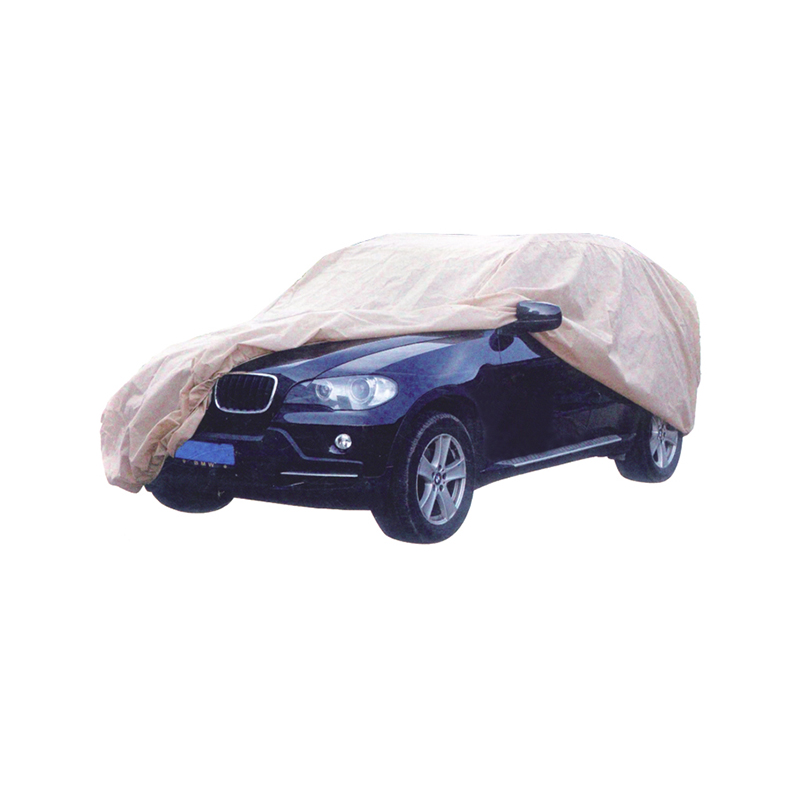
These conditions create different requirements for the material.
The outer surface of a car windscreen frost cover is usually selected based on weather resistance and durability. Fabrics such as Oxford fabric or polyester are commonly considered because they can provide a stronger surface while remaining flexible enough for regular storage.
However, selecting fabric is not only about choosing a strong material.
The material also needs to cooperate with the layers underneath.
A fabric that performs well alone may not create the expected result after being combined with other materials.
Layer Combination Decides Daily Performance
Inside the factory, engineers usually focus on how each layer interacts.
The reflective layer.
The insulation material.
The inner contact surface.
Each section has a different purpose.
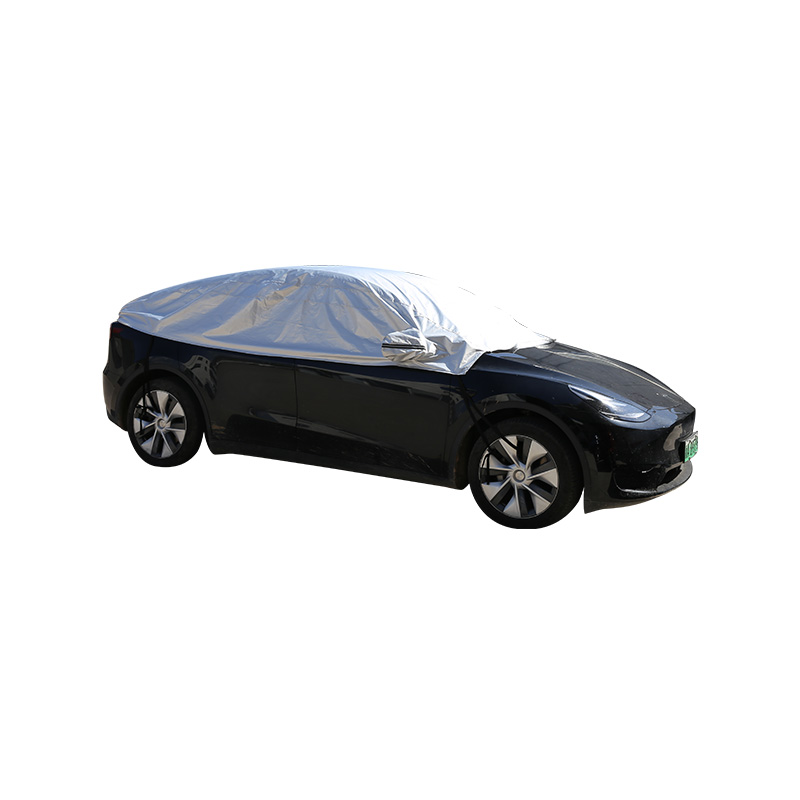
For example, an aluminum film layer may be added to improve reflective performance, while other materials help support the overall structure.
A car windscreen frost cover with multiple layers needs proper bonding between materials. If the connection method is unsuitable, repeated folding and outdoor use may affect the condition of the cover over time.
This is why manufacturers often test sample pieces before moving into larger production.
Stitching And Edge Processing Matter
Material selection receives attention, but small production details also influence the final product.
The edge is one example.
A cover may be installed and removed many times during its service life. If the stitching area is not handled properly, repeated pulling can affect the shape of the product.
Factory workers usually inspect:
stitching condition
edge finishing
layer alignment
overall dimensions
These checks are not complicated, but they help prevent small manufacturing differences from appearing in larger production batches.
The Inner Surface Requires Different Thinking
The side touching the windshield follows another design idea.
A car windscreen frost cover should protect the glass while remaining easy to handle.
A rough inner surface may create unnecessary friction during installation and removal.
Because of this, manufacturers often select softer materials for the contact layer.
This part does not need to face direct weather exposure, but it still plays an important role in daily use.
Different layers complete different tasks, which is why material structure becomes the key point of the product design.
Production Testing Reflects Real Usage
Factory testing is usually based on ordinary situations.
The cover is folded.
Opened again.
Placed over a windshield.
Removed after use.
Repeated handling allows workers to observe whether the structure remains stable.
A car windscreen frost cover needs to perform not only on the day but also after many cycles of normal use.
These observations help manufacturers adjust material combinations, stitching methods, and production settings before final manufacturing.
Composite Design Replaces Simple Covers
The development of the car windscreen frost cover shows how automotive accessories have changed from simple protective sheets into products with combined material functions.
The finished cover may appear uncomplicated, but the manufacturing process behind it involves decisions about fabric selection, layer matching, and production control.
For suppliers, these details determine whether a product can maintain its performance after leaving the factory and entering real outdoor environments. A practical windshield cover is created through the cooperation of different materials, where each layer contributes to the final structure.
 View More >>
 View More >>
 View More >>
 View More >>
 View More >>
 View More >>



