
 English
 中文简体
中文简体 Español
Outdoor Driving Conditions Change Interior Protection Needs
Vehicles used for outdoor activities, construction work, and rural travel often face different interior challenges compared with regular city commuting. Mud, sand, moisture, and small debris can quickly collect on the vehicle floor after a single trip.
For automotive accessory distributors, these usage conditions have become an important consideration when selecting products. Customers in different regions may have different expectations depending on climate, road conditions, and vehicle type.
The increasing attention toward Turf Car Mats comes from these practical situations. Instead of focusing only on decoration, buyers are looking for floor protection products that match real driving environments.
This has also changed the way suppliers communicate with customers. Product discussions often include material structure, fitting requirements, cleaning methods, and order customization before production begins.
Surface Materials Receive More Attention During Development
The upper surface of a car mat directly contacts shoes, dust, water, and other daily contaminants. Because of this, material selection has become one of the main parts of product development.
For Turf Car Mats, the grass-like surface structure is designed around the problem of dirt accumulation. The fiber arrangement, height, and density influence how debris stays on the mat and how easily it can be removed during cleaning.
During production, factories need to balance several requirements. A softer texture may improve appearance and comfort, while stronger materials may be preferred for vehicles exposed to heavier use.
Suppliers of automotive floor protection products often test different material combinations before confirming large production orders. These checks help buyers understand whether the product matches their target customers.
Bottom Construction Affects Daily Driving Experience
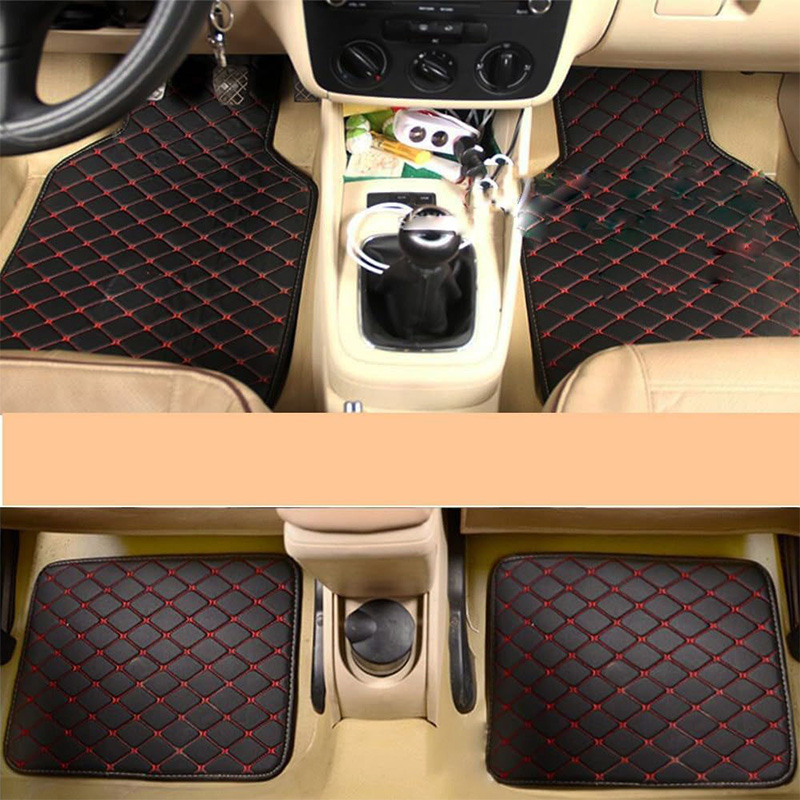
The performance of a car mat depends not only on the visible surface. The bottom layer also plays an important role in keeping the product stable inside the vehicle.
A moving mat can create inconvenience, especially around the driver’s position. Because of this, production teams pay attention to anti-slip materials, edge reinforcement, and cutting accuracy.
A Turf Car Mats production project may involve different requirements depending on vehicle models. Passenger cars, SUVs, and commercial vehicles often require different patterns and dimensions.
For export suppliers, accurate fitting is a key part of customer satisfaction. A distributor handling multiple vehicle types usually needs products that maintain consistent quality across different orders.
Bulk Orders Bring More Customized Requirements
Automotive accessory buyers often serve different customer groups. A retailer may prefer standard packaging, while a regional distributor may request private labels, specific sizes, or customized product combinations.
These requirements affect factory arrangements. Before production starts, teams may confirm packaging details, material specifications, and inspection standards.
The demand for custom car floor mats has encouraged suppliers to create more flexible production processes. Cutting, assembly, quality checking, and packing need to be organized according to each order.
For companies purchasing Turf Car Mats in larger quantities, sample confirmation remains an important step. Buyers usually check surface appearance, thickness, fitting accuracy, and overall durability before moving into mass production.
Product Design Follows Real Vehicle Usage
Automotive interior accessories are closely connected with daily driving habits. A product used in a family SUV may need different features from one supplied for work vehicles or outdoor-focused customers.
Companies producing Turf Car Mats are paying more attention to these differences during product planning. Material selection and structural design are increasingly based on actual vehicle environments rather than simple appearance preferences.
As buyers continue looking for practical interior protection solutions, suppliers with experience in material control, customization, and production management are better prepared to handle different automotive accessory projects.
 View More >>
 View More >>
 View More >>
 View More >>
 View More >>
 View More >>



