
 English
 中文简体
中文简体 Español
For vehicle owners utilizing garages, storage units, or covered parking, the use of an indoor car cover is increasingly viewed as a prudent measure for long-term preservation. Unlike their outdoor counterparts designed to shield against harsh weather, the primary role of an indoor car cover is to protect a vehicle's finish from dust, incidental contact, and environmental factors present even within enclosed spaces. This growing awareness highlights a shift towards proactive vehicle care, focusing on maintaining condition during periods of non-use.
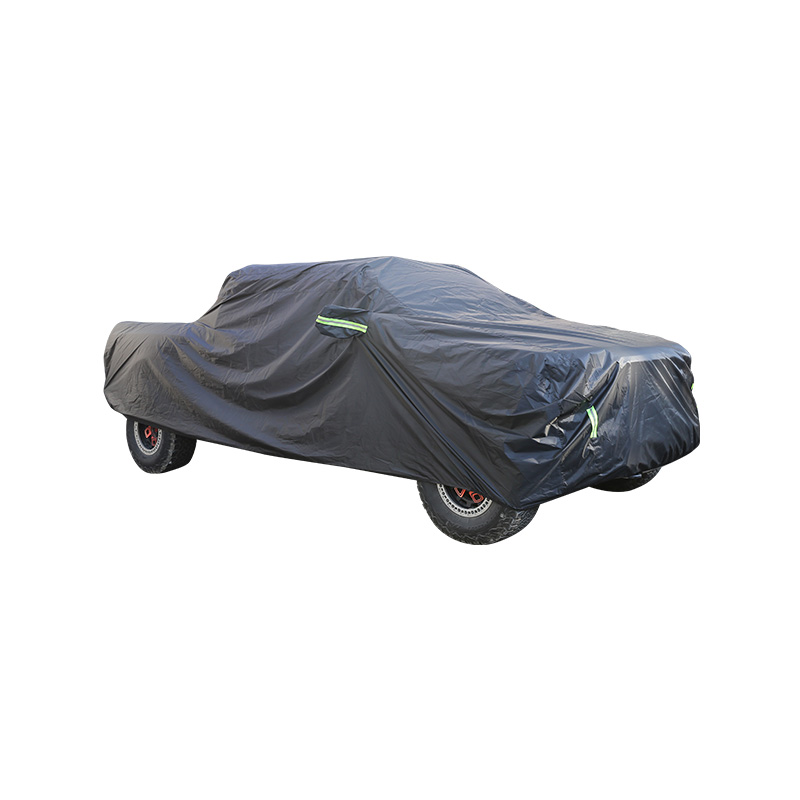
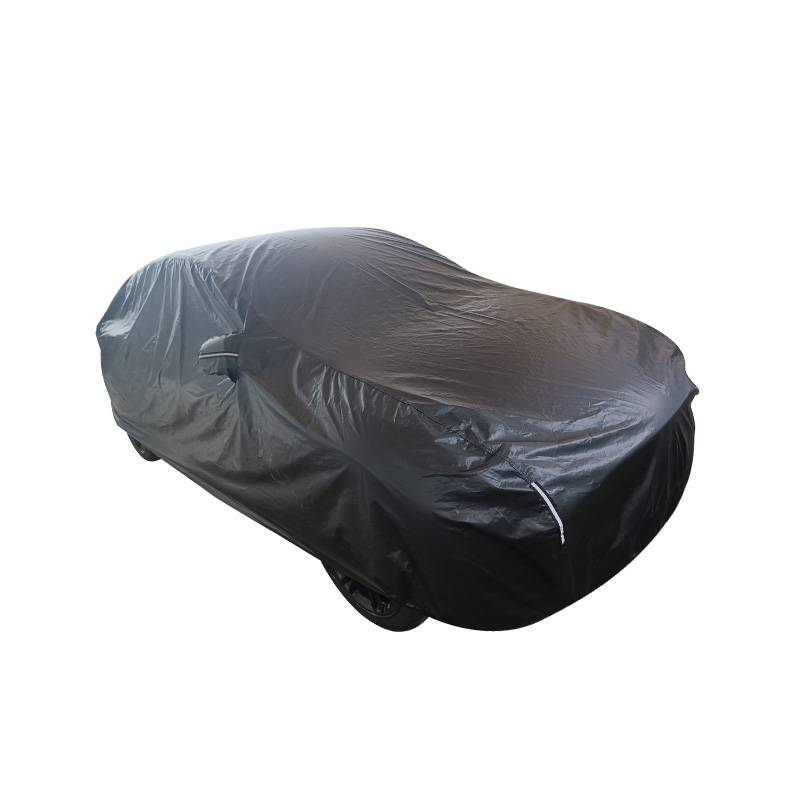
The fundamental purpose of an indoor car cover is to act as a barrier. In a garage, settled dust, airborne pollen, and fine particulates can accumulate on a vehicle's surface over time, potentially etching the paint during cleaning. An indoor car cover prevents this direct deposition. Furthermore, it guards against accidental scratches from people brushing past, items being stored nearby, or minor contact with other vehicles in a shared garage. For collectors storing classic or special-interest vehicles, an indoor car cover is often considered essential for preserving showroom-quality finishes during extended storage periods.
Materials selected for a quality indoor car cover prioritize softness, breathability, and static control. Fabrics like flannel, cotton, or soft polyester blends are common. These materials are gentle on clear coats and paintwork, preventing micro-scratches that can be caused by rougher materials. Breathability is a critical feature for an indoor car cover; it allows any residual moisture trapped beneath the cover to evaporate, preventing the development of mold or mildew on the vehicle's surface or interior. Many indoor car cover products also incorporate anti-static properties to help repel dust rather than attract it.
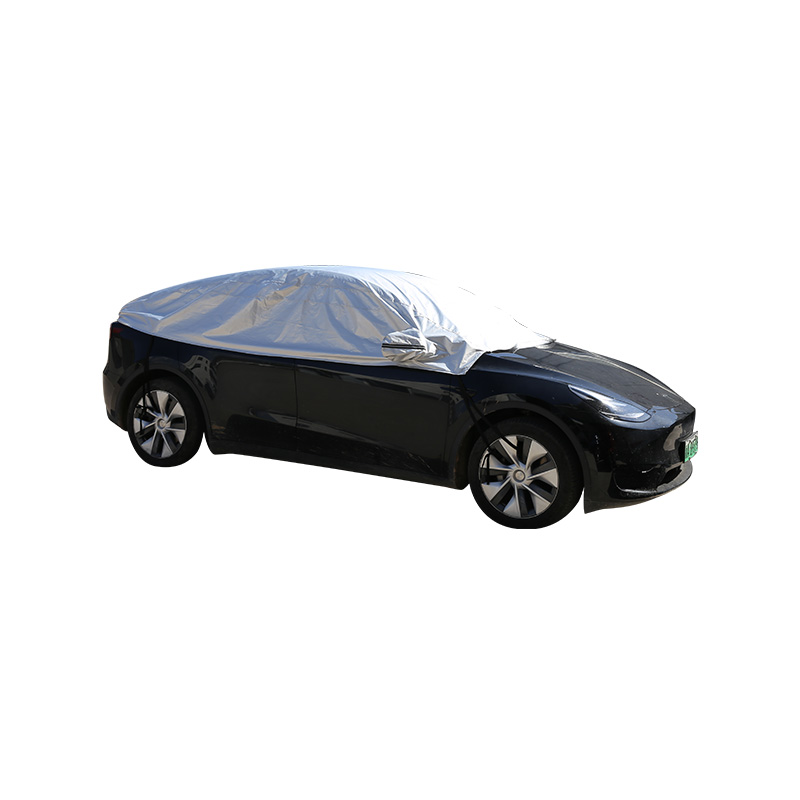
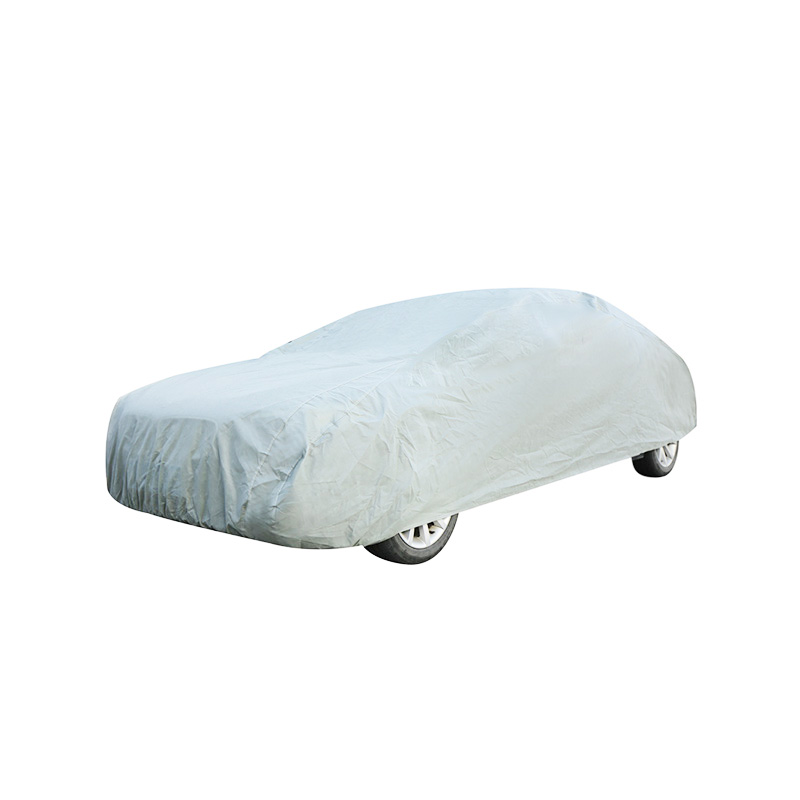
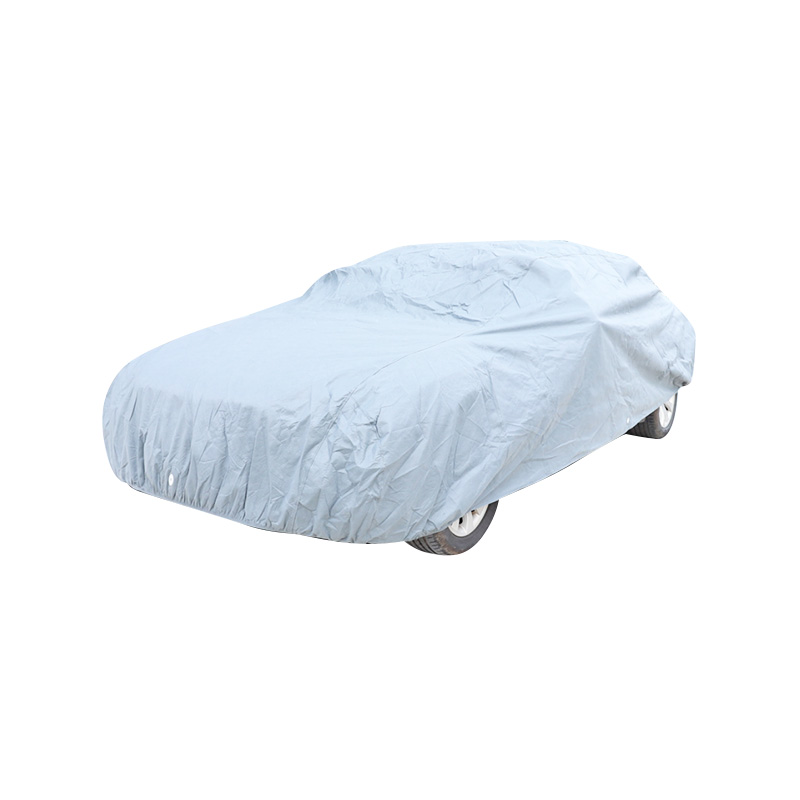
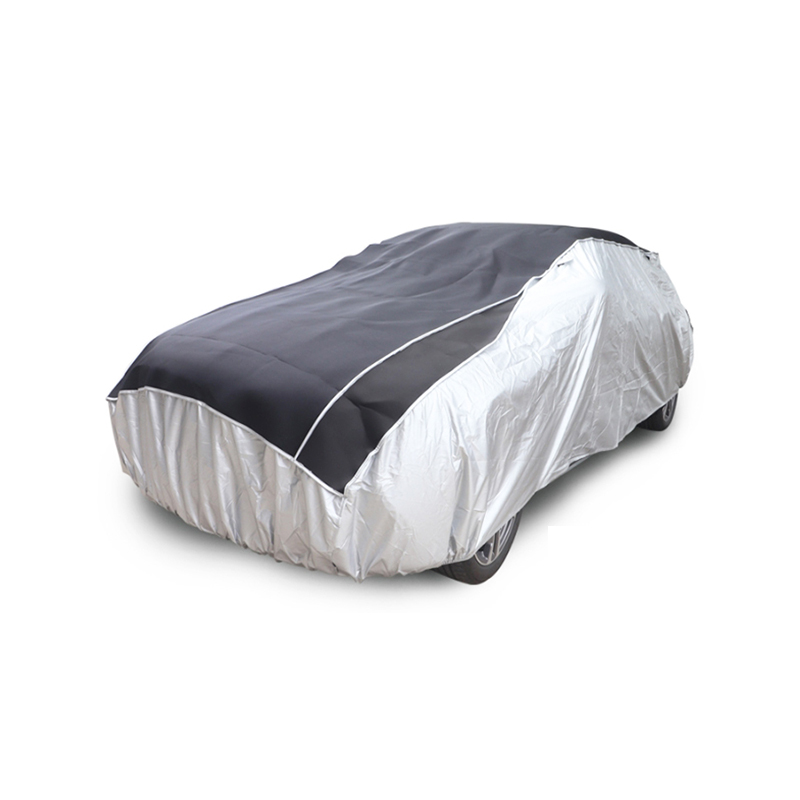
The fit and design of an indoor car cover are tailored for the less demanding indoor environment. While outdoor covers are often form-fitting with tie-downs to resist wind, an indoor car cover typically features a looser, softer drape. It may include elastic hems or soft straps to secure it gently around the bumpers, but the focus is on ease of installation and removal. A well-designed indoor car cover should be manageable for one person to put on and take off regularly without risk of damaging the vehicle.
The market for indoor car cover products caters to various needs. For daily drivers parked in a home garage, a lightweight and affordable indoor car cover can significantly reduce weekly dusting and washing. For vehicle collectors and owners of seasonal vehicles like convertibles or sports cars, a premium, custom-fit indoor car cover made from softer materials is a standard part of storage protocol. The availability of universal and vehicle-specific models allows owners to choose the level of protection and investment that suits their situation.
The indoor car cover segment is likely to benefit from advancements in fabric technology. Developments may include materials with enhanced dust-repelling capabilities, integrated soft padding for extra protection against minor impacts, and eco-friendly, sustainable fabrics. As vehicle ownership periods extend and the value of preserving automotive assets is recognized, the role of the indoor car cover as a simple, effective tool for maintaining a vehicle's aesthetic and monetary value is set to become even more established among discerning owners.
 View More >>
 View More >>
 View More >>
 View More >>
 View More >>
 View More >>



