
 English
 中文简体
中文简体 Español
In an era of increasing environmental awareness and rising temperatures, the humble sun shade has evolved from a simple accessory into a widely recognized tool for comfort, protection, and energy efficiency. Its applications are expanding, reflecting a growing desire to mitigate the effects of intense sunlight in both personal and public spaces.
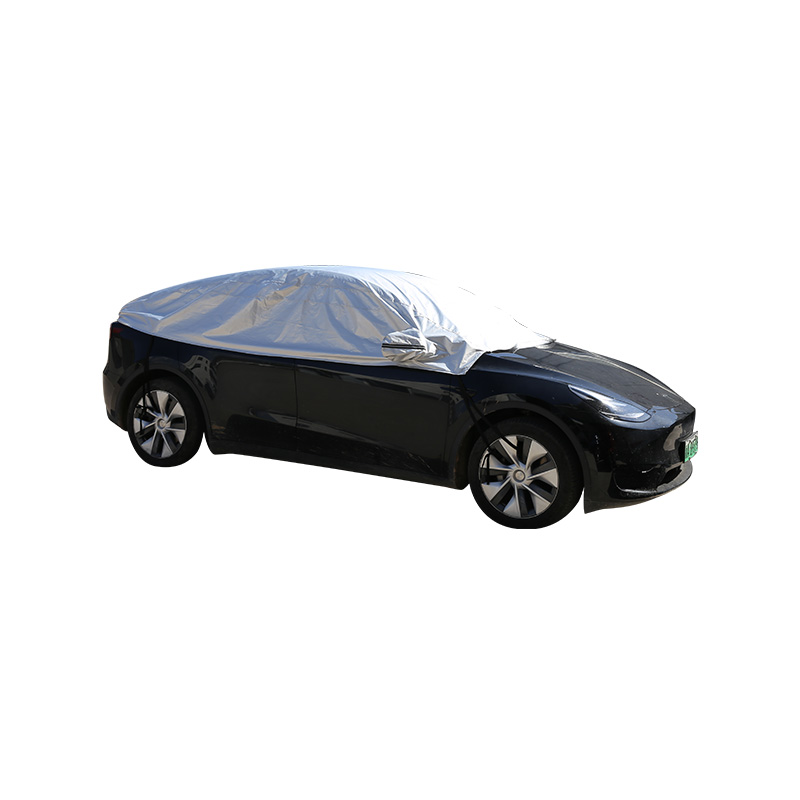
Traditionally, the lots of familiar form of a sun shade is the portable canopy or umbrella used at beaches, parks, and outdoor cafes. These products provide a crucial zone of respite, offering protection from direct UV rays and creating a cooler microclimate for relaxation and social activities. However, the concept of a sun shade has grown significantly beyond this. For vehicle owners, a foldable sun shade placed inside the windshield is a common sight in parking lots, effectively reducing interior heat buildup, protecting dashboards and upholstery from sun damage, and making the vehicle more comfortable to enter.
The residential and architectural sectors represent a major area of innovation for the sun shade. Fixed or retractable awnings over windows, patios, and decks function as permanent architectural sun shade solutions. By blocking direct sunlight before it penetrates glass, these structures significantly lower indoor cooling costs and reduce glare. Similarly, modern pergolas often incorporate adjustable louvres or fabric canopies, providing flexible sun shade that can be adapted to the time of day or season. This integration of shading into building design highlights a shift towards proactive climate management for homes.
Material technology is central to the enhanced performance of today's sun shade products. High-quality fabrics now feature advanced coatings that block a substantial percentage of ultraviolet radiation while remaining breathable and resistant to mold and fading. For automotive and window applications, reflective materials and metallized films are engineered to repel solar radiation effectively. The structures supporting these sun shade installations are also becoming more robust and user-friendly, with designs emphasizing easy deployment, wind resistance, and aesthetic appeal.
The benefits of utilizing a sun shade extend well beyond immediate personal comfort. For businesses, such as restaurants with outdoor seating, a well-placed sun shade can expand usable space and enhance the customer experience. In urban planning, permanent sun shade structures in public plazas, playgrounds, and transit stops contribute to community well-being, encouraging outdoor activity even during warmer hours. Furthermore, by reducing the reliance on air conditioning, the widespread use of architectural sun shade solutions can contribute to lower collective energy consumption.
The market for sun shade products continues to diversify, catering to specific needs. Gardeners use specialized mesh sun shade cloth to protect delicate plants from scorching. Parents seek pop-up sun shade tents for children's outdoor events. The focus is increasingly on products that are durable, easy to store, and tailored for specific contexts, from large-scale commercial installations to compact, personal-use items.
As seasonal temperatures demonstrate variability and concerns about sun exposure remain prominent, the practical importance of the sun shade is likely to increase. Its evolution from a simple shield to an integrated element of living spaces underscores a broader trend of adapting our environments for greater resilience and comfort. Whether through a portable canopy on a sandy beach or a sophisticated automated awning on a city building, the sun shade stands as a simple yet effective response to the enduring power of the sun.

 View More >>
 View More >>
 View More >>
 View More >>
 View More >>
 View More >>



